THE ARITHMETIC OF ANXIETY
Population, Colonial Policy, and the Indo-Fijian Demographic Question
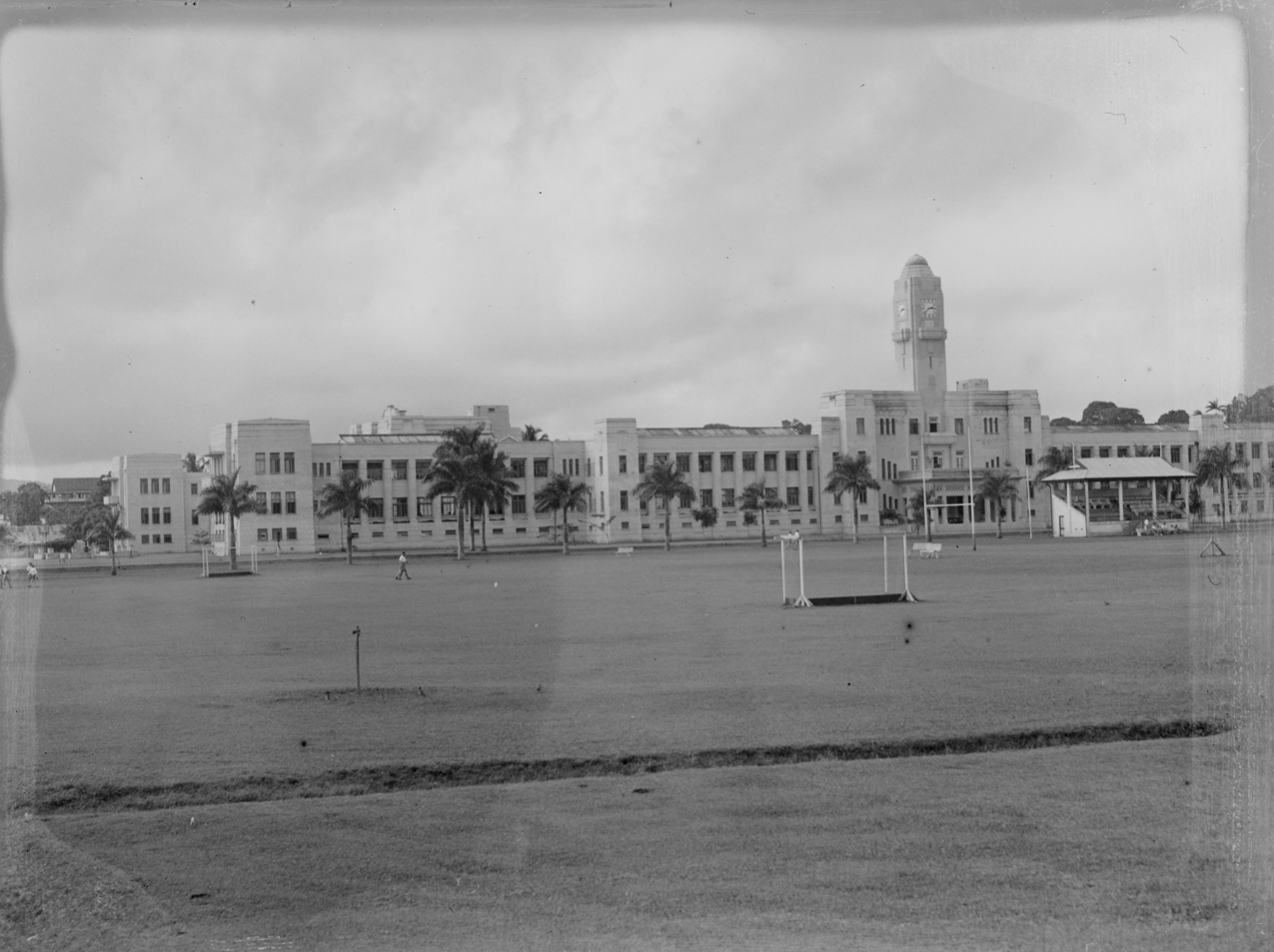
Figure 1. Fijian Parliament, Suva, photographed from Albert Park, 1942.
When Numbers Become Politics
On a Tuesday morning in May 1987, Lieutenant Colonel Sitiveni Rabuka led a small contingent of soldiers into Fiji's Parliament and arrested the Prime Minister, Timoci Bavadra. The stated justification was the defence of indigenous Fijian political sovereignty against the perceived threat of Indo-Fijian domination. Yet Bavadra, an indigenous Fijian himself, had been elected by a coalition in which Indo-Fijians voted almost as a bloc. More significantly, Bavadra was one of the architects of Fiji's family planning programme. He had co-authored the main study documenting how Indo-Fijian fertility had already fallen substantially. The demographic threat that justified his overthrow was, by the numbers he himself had helped produce, already fading.
This paradox lies at the heart of Fiji's modern history. The Indo-Fijian population, which had grown from a few thousand indentured labourers to nearly half the country's total by the mid-twentieth century, had already begun its demographic decline before the first coup. Yet the fear of Indian political domination persisted, even as the demographic foundations of that fear were eroding. Understanding this requires examining not merely the numbers themselves, but the political meaning attached to them. It requires understanding how colonial institutions, census categories, and administrative policies converted ordinary demographic change into a perceived zero-sum competition between ethnic communities. And it requires understanding how a family planning programme, ostensibly a neutral public health intervention, became entangled with the deepest anxieties of ethnic politics.
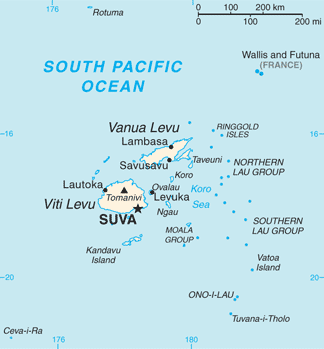 islands in the South Pacific
Girmit and the Colonial Architecture of Separation
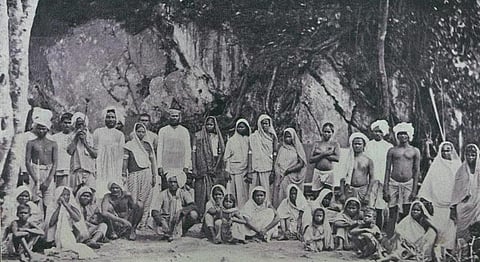
The story begins not in Fiji but in the villages of northern and eastern India. Between 1879 and 1916, approximately 60,000 indentured labourers—known as girmitiyas—were transported to Fiji to work on sugar plantations. The British colonial administration, having annexed Fiji in 1874, sought to develop the colony's agricultural economy while preserving indigenous Fijian social structures. The solution was imported labour from India.
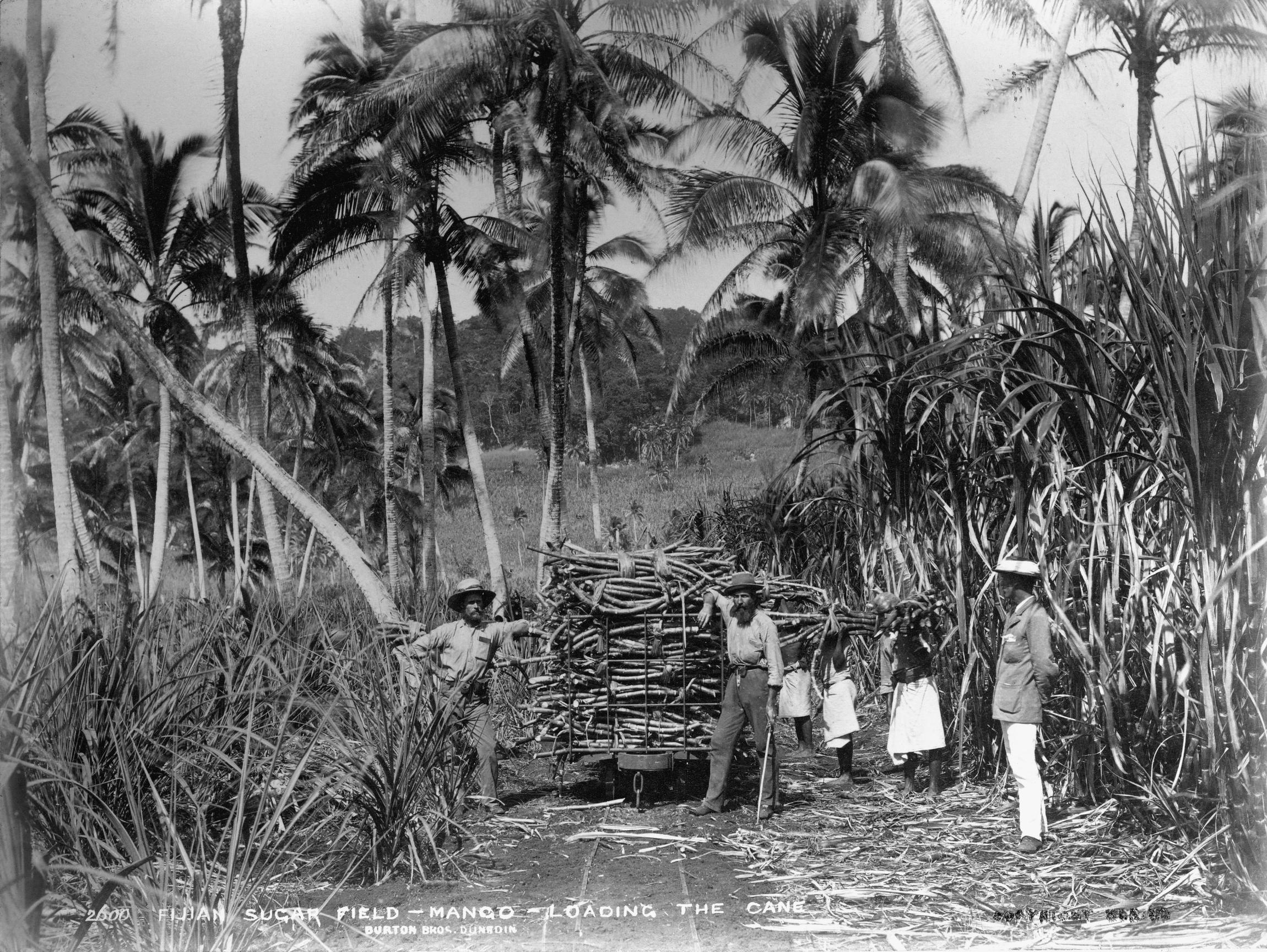
Figure 3. Loading cane at a sugar plantation on Mago Island, Fiji, 1884. Alfred Burton / National Library of New Zealand; public domain.
The majority of these labourers chose to remain in Fiji after their five-year contracts expired, establishing themselves as small-scale farmers, tenant growers, and eventually the backbone of the sugar industry. A smaller number of free migrants arrived from the 1920s onwards. By the early twentieth century, a distinct Indo-Fijian community had emerged—culturally Indian, economically essential, but politically marginal. The colonial administration, as historian Crispin Bates observes, "created a racially compartmentalised society of often conflicting interests and expectations without, for its own survival, providing the conditions of common citizenship". Fiji under the British remained, in his words, "a colony of separate and unequal citizens".
The European elite, controlling the economy and wielding disproportionate legislative power, asserted their role as "trustees" of the indigenous Fijian "race". Indigenous Fijian leaders, for their part, sought to preserve their paramount position in the management of their own affairs and the country's governance. The Indo-Fijian community, positioned between these two powers, sought equality and acceptance in a system that denied them both.
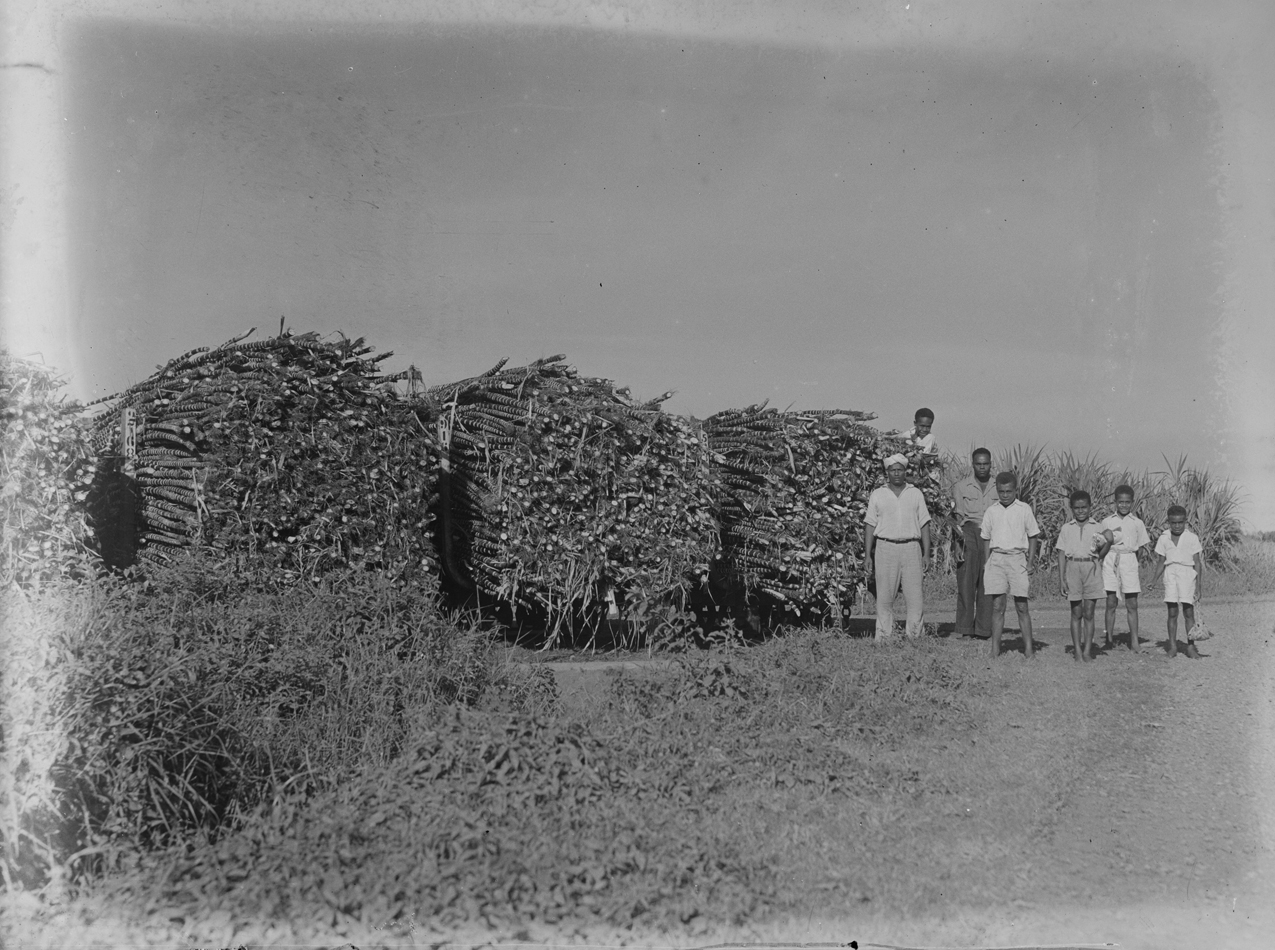
Figure 4. Fijian men, a Fijian-Indian man, and boys beside harvested cane; date unknown. Tudor Washington Collins / Auckland Museum, CC BY 4.0.
1946: The Demographic Crossing
By the middle of the twentieth century, the demographic arithmetic of Fiji had become a source of intense anxiety. In 1946, the Indo-Fijian population reached 120,414, surpassing the indigenous Fijian population of 118,070. For the first time, Indo-Fijians were the largest ethnic group in the colony.
This numerical crossing was not merely a statistical curiosity. In a political system structured around communal representation, where seats in the Legislative Council were allocated by ethnicity, population share carried direct political consequences. The colonial census, by classifying people according to ethnicity and making those classifications the basis of political representation, had transformed demography into a measure of political legitimacy.
The colonial administration in Suva responded with alarm. According to documents from the Rockefeller Archive Center, "in the 1950s, colonial officials in Fiji were preoccupied with demographic disparities between the two largest ethnic groups in Fiji – Fijians and Indo-Fijians". The question was not merely academic. If Indo-Fijians continued to grow at their current rate, they would eventually demand political power commensurate with their numbers—a prospect that threatened both European economic dominance and indigenous Fijian political privilege.
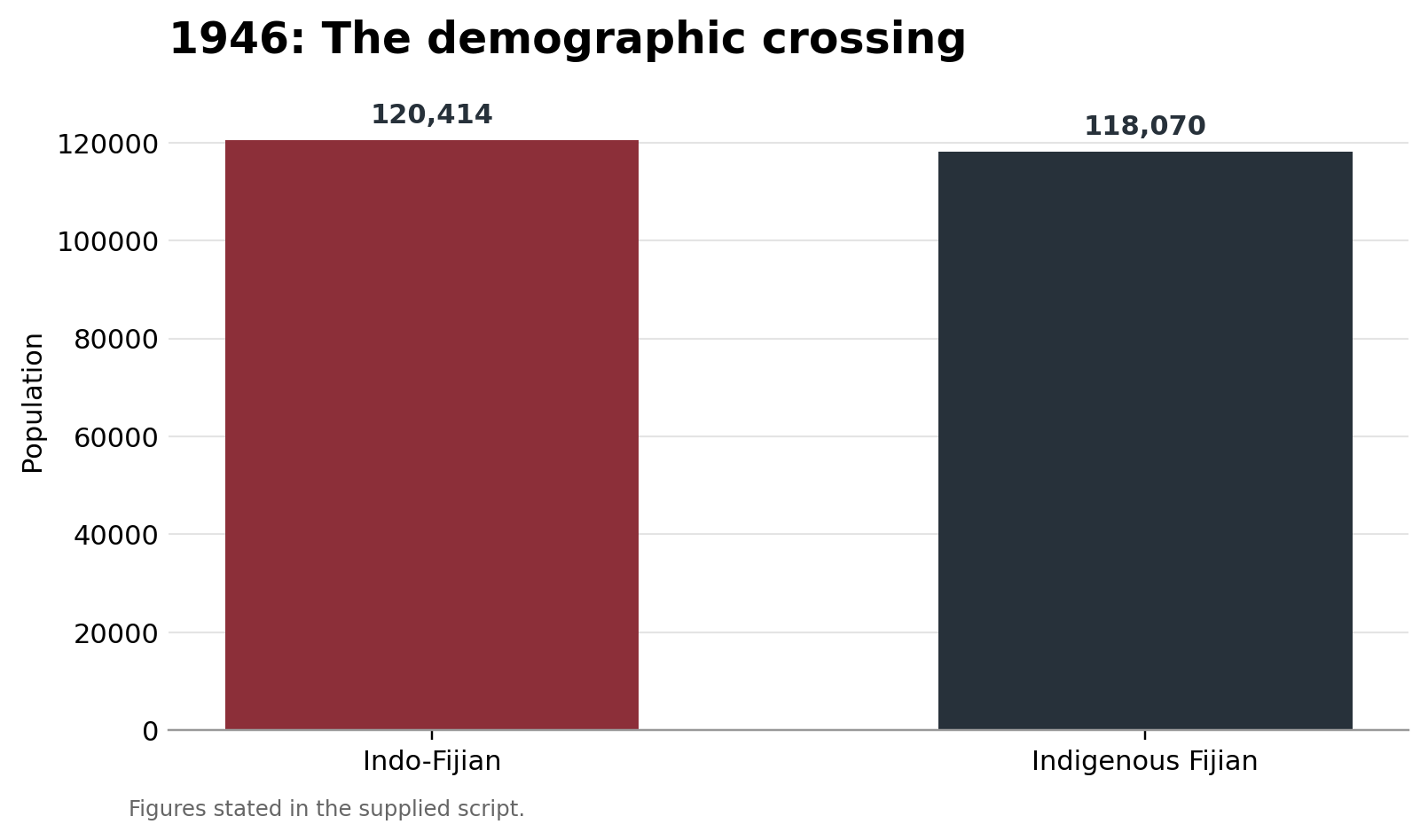
Figure 5. The 1946 population crossing described in the script. Chart generated from figures stated in the supplied script.
Population Management and Family Planning
The colonial administration was divided on how to respond. Two competing visions emerged, each representing a different philosophy of population management.
One faction, centred in London, argued that the solution was economic development rather than demographic intervention. If agricultural expansion could absorb the growing population, there would be no need for family planning. The response to the Burns Commission in the British Parliament reflects this view: "the main answer to the Fijian problem is to increase agricultural production and bring in new industries". This was a Malthusian argument of a particular kind—not that population must be reduced, but that it could be accommodated through economic growth.
The other faction, based in Suva, favoured a more direct approach: reducing Indo-Fijian fertility through family planning. This faction won. Family planning clinics opened in 1957, and the national programme was launched in 1962, making Fiji one of the earliest developing countries to implement such a programme. A "determined family planning campaign" followed, "initially targeting the Indo-Fijian community". The programme had the support of the Colonial Office, the Fiji government, the health service, some Indo-Fijian leaders, and ultimately, several international organisations.
The targeting of the Indo-Fijian community is significant. While the programme was formally universal, its initial focus reveals the underlying rationale: reducing Indo-Fijian fertility was seen as a solution to the demographic imbalance that had emerged in 1946.
The programme took off in 1964 with the introduction of the Lippes Loop, a small plastic intrauterine device (IUD). The uptake of contraception split along precisely the lines the colonial administration had hoped for. By 1974, 53% of Indo-Fijian women at risk of pregnancy were using a modern contraceptive method, compared to only 28% of indigenous Fijian women. The birth rate fell from 41.8 per 1,000 in 1959 to 35.9 in 1965.
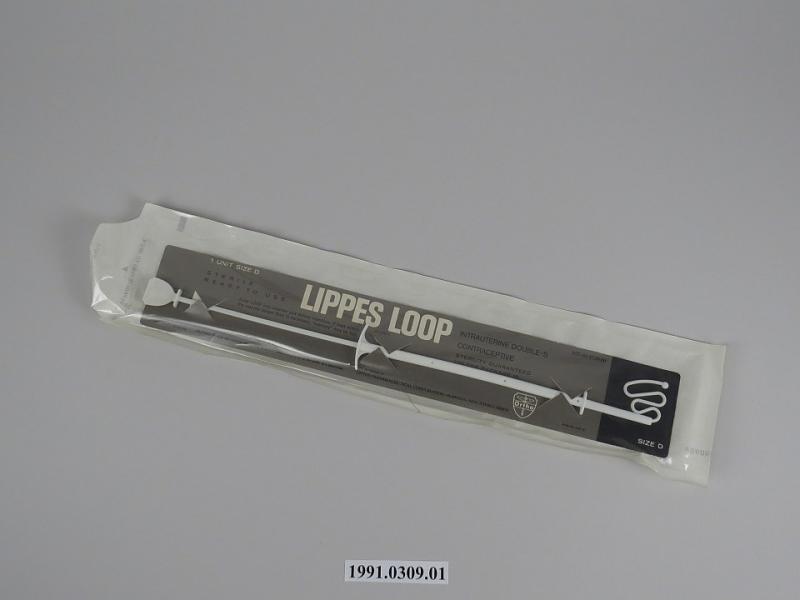
Figure 6. Lippes Loop, intrauterine double-S contraceptive, Size D. National Museum of American History, Smithsonian Institution; CC0.
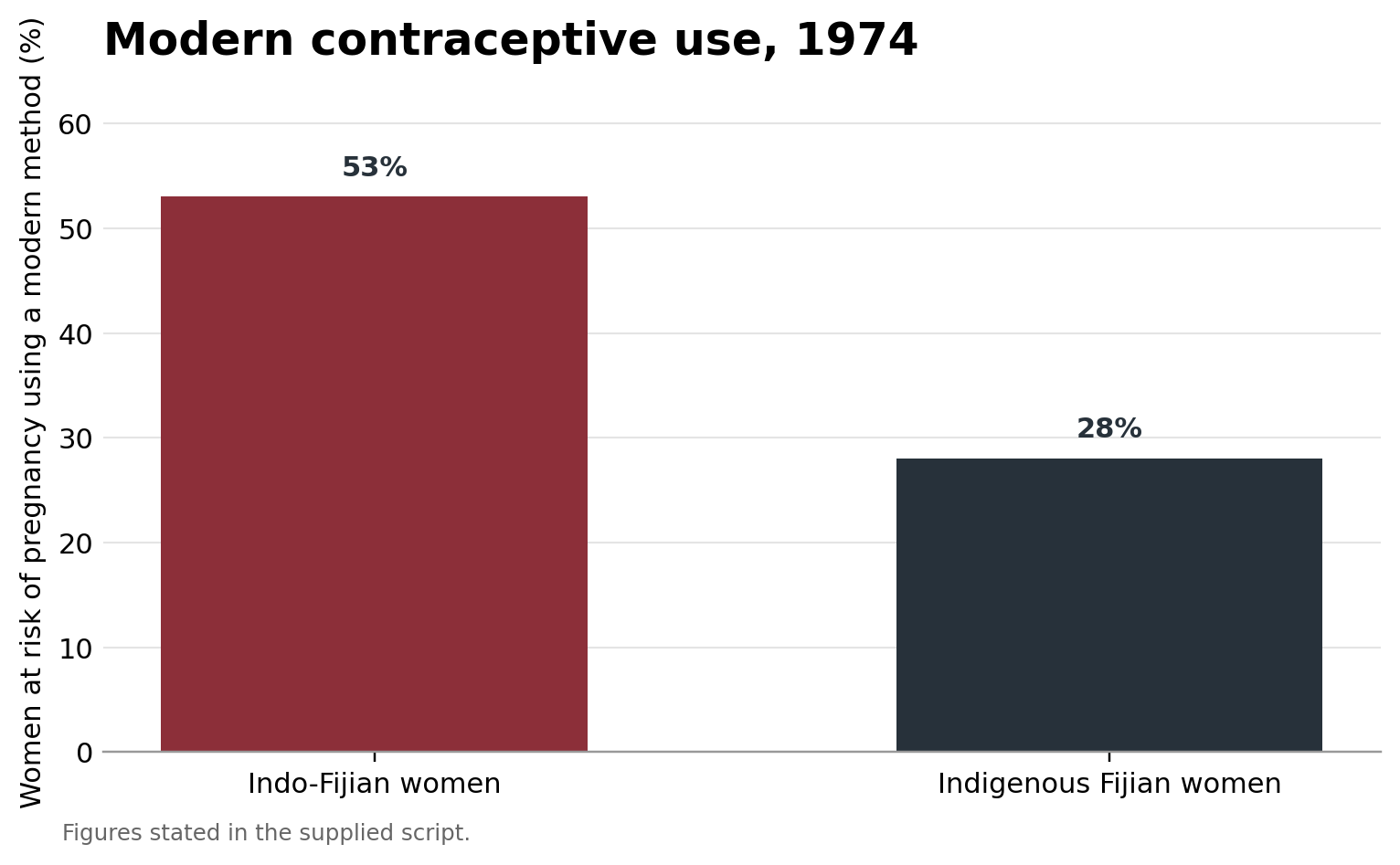
Figure 7. Modern contraceptive use in 1974, as reported in the script. Chart generated from figures stated in the supplied script.
Contraception and Divergent Fertility
The consequences for fertility were dramatic. Indo-Fijian fertility fell from 5.5 children per woman in 1966 to 2.8 by 1986. Indigenous Fijian fertility, while also declining, fell much more slowly, remaining at 4.2 children per woman in 1986. This gap, which had been widening for two decades, represented a fundamental shift in the ethnic balance of Fiji's future population.
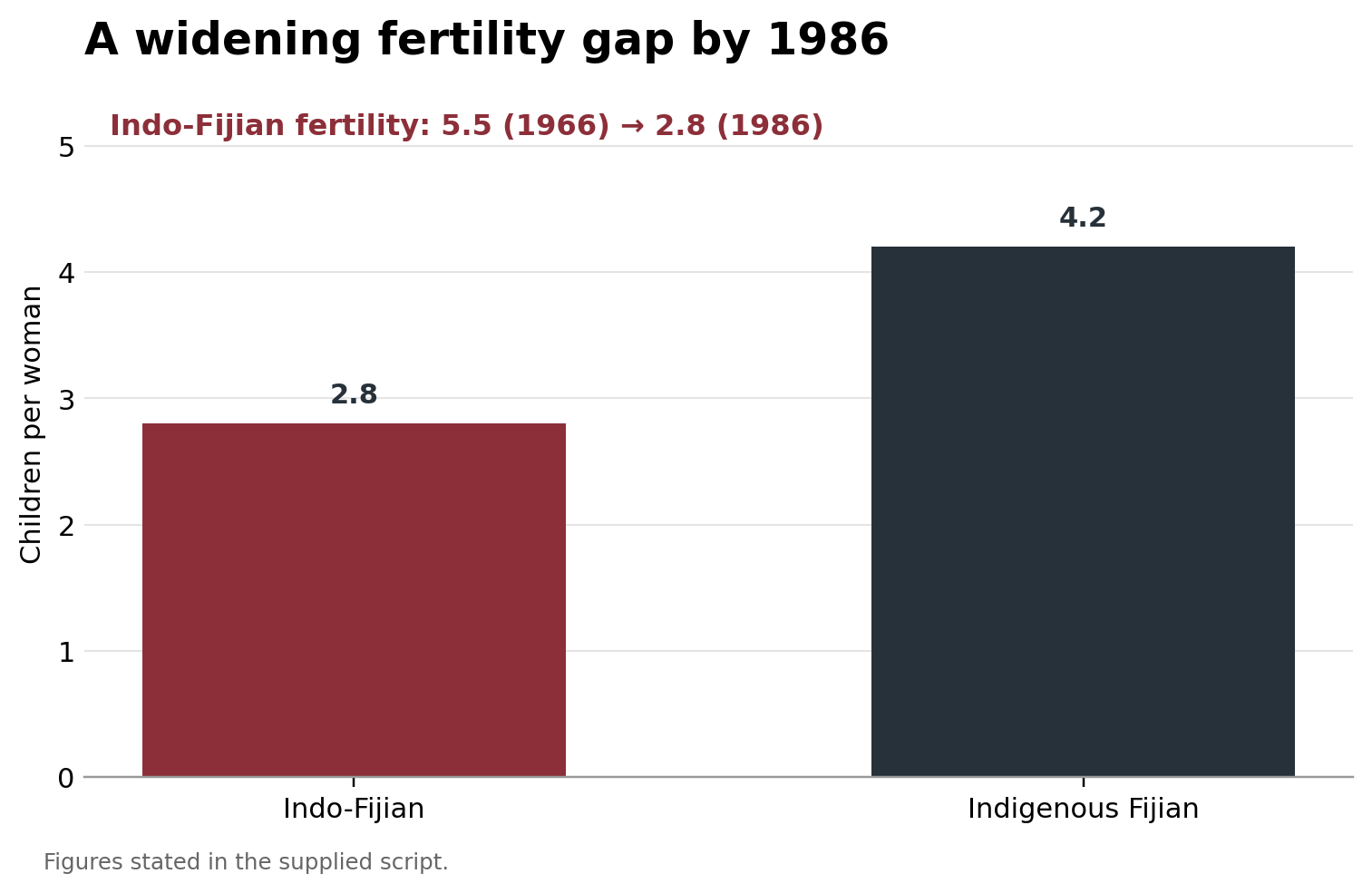
Figure 8. Fertility divergence by 1986. Chart generated from figures stated in the supplied script.
The divergence can be attributed to multiple factors. Indo-Fijian women were more urbanised, more educated, and had higher income levels than their indigenous Fijian counterparts. They also had greater access to clinics, different family structures, and different attitudes toward contraception. Migration expectations may also have played a role, as Indo-Fijians faced uncertainty about their future in Fiji. Yet the timing of the divergence—coinciding so precisely with the introduction of the family planning programme—suggests that state policy was not merely a passive observer of demographic transition but an active accelerator of it.
Bavadra and the Coup Paradox
The most striking illustration of the gap between demographic reality and demographic fear is the case of Timoci Bavadra. In 1980, Bavadra co-authored the main study of Fiji's family planning programme, documenting how far Indo-Fijian births had already fallen. He knew, better than almost anyone, that the Indo-Fijian demographic threat was already receding.
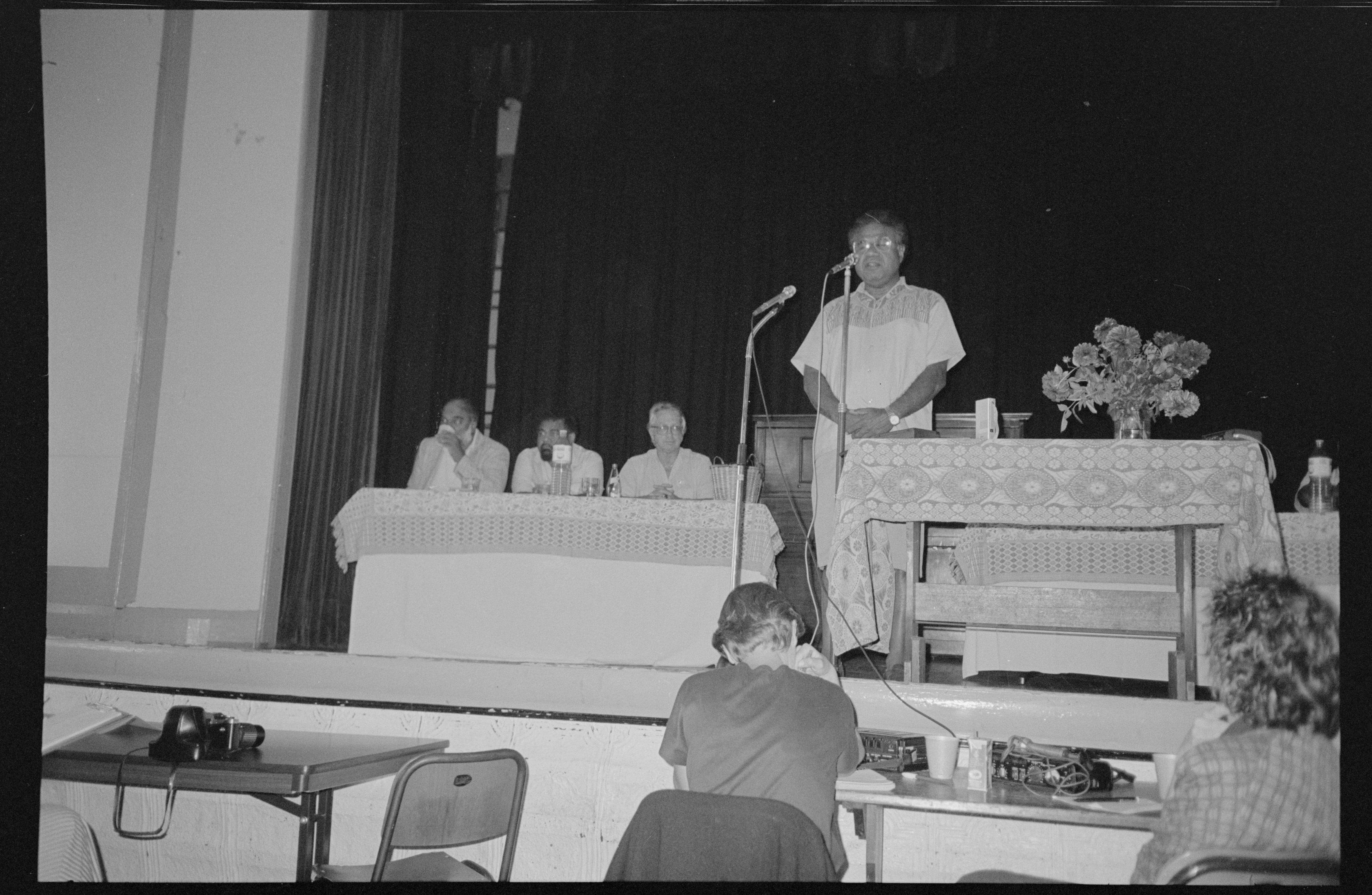
Figure 9. Timoci Bavadra speaking in Sydney, April 1988. State Library of New South Wales / SEARCH Foundation, CC BY 4.0.
PRIMARY RESEARCH REFERENCE T. U. Bavadra and J. Kierski, “Fertility and Family Planning in Fiji,” Studies in Family Planning 11, no. 1 (1980): 17–23. PubMed’s abstract reports a 29% fertility decline in 1961–76, including a 44% decline among Indians versus 17.6% among Fijians. PubMed record |
In April 1987, Bavadra became Prime Minister, leading a coalition that was elected with overwhelming support from Indo-Fijian voters. On 14 May, the army removed him, claiming it was to block Indian control of the country. Yet Bavadra's own published numbers showed that "the Indian majority had already stopped growing and was on its way out".
This paradox reveals something fundamental about the relationship between demographic reality and political conflict. The 1987 coup was not driven by actual population trajectories but by collective memories of past growth and projections of future domination that persisted even after the demographic conditions producing those fears had changed. The fear of Indo-Fijian political dominance was, in part, a fear of a future that demographic evidence suggested was already unlikely to materialise.
Emigration and Demographic Reversal
The coup also triggered a wave of emigration. Approximately 70,000 Indo-Fijians fled the country in the years following the coup. This created a feedback loop: the very political instability generated by fears of Indo-Fijian domination encouraged Indo-Fijian emigration, thereby reducing the demographic presence that political nationalists had feared. By 1996, after extensive emigration, the Indo-Fijian population had fallen to 38% of the total, while the indigenous Fijian population had grown to 45%.
The reversal that Bavadra's numbers had predicted has now fully materialised. By 2020, Indo-Fijian numbers had declined substantially to around 30% of the total population and were still declining due to emigration and low birth rates. The 2007 census recorded 313,798 Indo-Fijians, or 37.5% of the population. The 2017 census failed to produce reliable ethnicity data, but the birth statistics tell a stark story. In 2022, Fiji registered 2,105 Indo-Fijian babies against 14,988 iTaukei (indigenous Fijian) babies. In early childhood classrooms, the disparity is even more pronounced: 2,942 Indo-Fijian children against 14,828 iTaukei children. Indigenous Fijian births now account for more than 80% of total births.
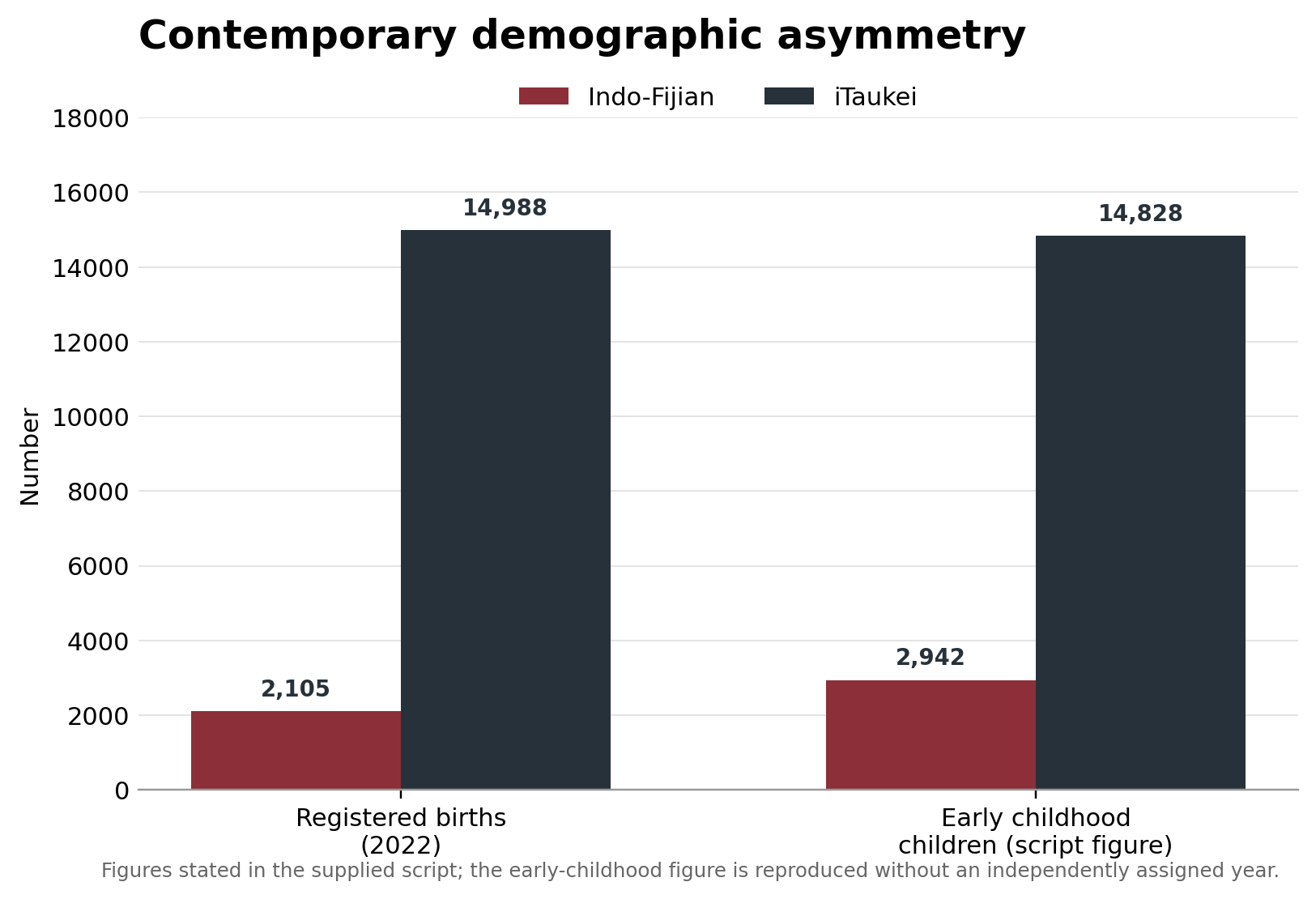
Figure 10. Contemporary demographic asymmetry using the figures cited in the script. Chart generated from figures stated in the supplied script.
Professor Biman Prasad has noted that "the growth rate of the Indo Fijian population started declining from 1975 compared to the iTaukei" and that "the declining population primarily due to low birth rate is the reason why there are less Indo Fijian students in early childhood education". The demographic transition that began in the 1960s has now produced a fundamental reordering of Fiji's ethnic composition.
Demographic Governance or Demographic Transition?
The question that historians must confront is how much of this demographic transformation can be attributed to the intentions of the colonial administration, and how much resulted from broader processes of demographic transition.
The documentary evidence suggests that colonial officials were indeed preoccupied with ethnic demographic disparities. The family planning programme was initially targeted at the Indo-Fijian community. The Lippes Loop was introduced and uptake split along ethnic lines. These facts support the interpretation that the programme was, at least in part, a form of demographic governance designed to manage ethnic relations by reducing Indo-Fijian fertility.
Yet it would be a mistake to reduce Indo-Fijian women to passive instruments of colonial policy. The women who adopted contraception had their own reasons: health, education, household income, employment, autonomy, and aspirations for their children. The divergence in contraceptive uptake also reflected differences in urbanisation, education, income, religion, family structure, access to clinics, and attitudes toward contraception. The intention of the state, the incentives of institutions, and the choices of individuals need not be identical even when they contribute to the same demographic outcome.
The distinction between a programme designed with an ethnically asymmetric political objective and a formally universal programme that produced ethnically asymmetric outcomes is crucial. Documentary evidence suggests the former, but the latter cannot be ruled out. The Population Council files consulted by researchers demonstrate that "in the 1960s and early 1970s the rationale for introducing family planning in Fiji changed to addressing total population in line with international ideas of demographic transition theory and the need for global population control, although this did not lead to a total departure from colonial thinking". The programme evolved from a colonial project to an international one, but the colonial thinking never fully disappeared.
The Arithmetic of Power
The Fiji case reveals a broader historical phenomenon: the transformation of demography into political power through the mechanism of ethnic classification. When states repeatedly classify people according to ethnicity, and when political representation is allocated on the basis of those classifications, censuses do not merely describe existing communities. They help create political communities by teaching populations to understand political power numerically.
In Fiji, the repeated comparison of "Indian" and "Fijian" population shares encouraged both communities and political elites to interpret births, deaths, migration, and fertility not simply as private demographic events but as changes in the collective balance of political power. Reproductive behaviour itself became politically charged. A declining fertility rate became interpreted as the weakening of an ethnic community, while higher fertility became interpreted as demographic security.
The 1987 coup demonstrated that political conflict could be driven by the fear of demographic domination long after the underlying demographic trajectory had already begun to move in the opposite direction. The coup and subsequent emigration created a feedback loop that accelerated the very demographic decline that had been feared. By the time the demographic reversal was complete, the Indo-Fijian community had been transformed from a demographic majority to a demographic minority, its political influence diminished, its future uncertain.
The lesson of Fiji is that demography is never merely demography. When states classify populations, when political representation is allocated by ethnicity, and when population policies are designed with ethnic outcomes in mind, numbers become weapons. The arithmetic of population becomes the arithmetic of power. And the fear of demographic domination can persist long after the demographic reality has shifted, driving political conflict that reshapes the very demographic landscape it fears.