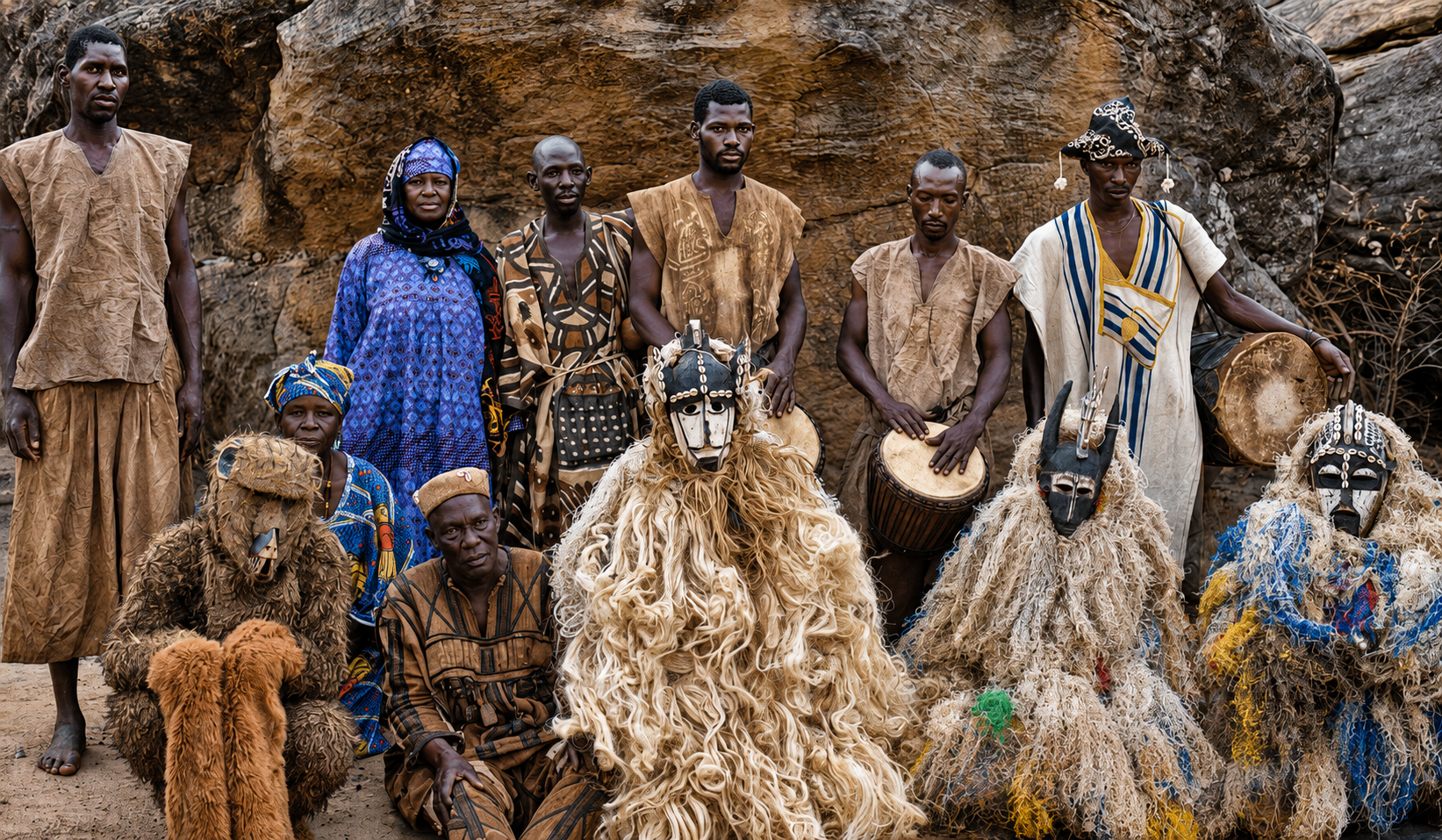
The Human Tapestry of the Slave Trade
The transatlantic slave trade was not a monolithic event but a deliberate and brutal process of disassembling human societies. Among the millions forcibly taken from West Africa to the Caribbean plantations, two groups stand out for their profound cultural and religious impact:
the Mandinka (or Malinke)
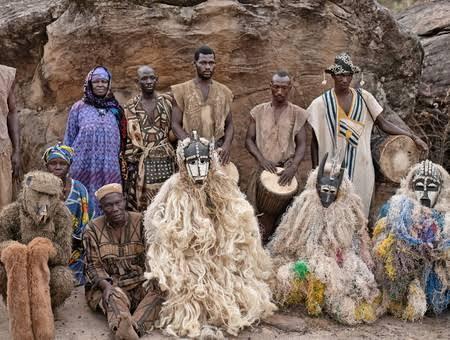
And
The Yoruba (often referred to in the Caribbean context by the spiritual term Olofe or Olofin).
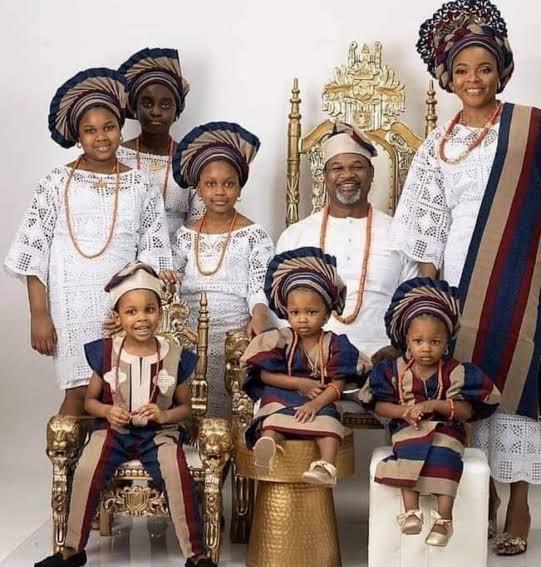
This documentary traces their journey from powerful West African kingdoms to the sugarb fields of Cuba and beyond. It explores a central, cruel strategy of slavery: the deliberate separation of ethnic groups to prevent rebellion. But most importantly, it reveals how, against all odds, these cultures did not vanish. Instead, their spiritual seeds, scattered and mixed, took root in foreign soil, creating new, resilient traditions that survive to this day.
The Mandinka people originated from the heart of the ancient Mali Empire, a region spanning modern-day Mali, Guinea, Senegal, and The Gambia. They were known for their sophisticated social structures, warrior traditions, and a rich oral history preserved by griots (praise singers and historians).
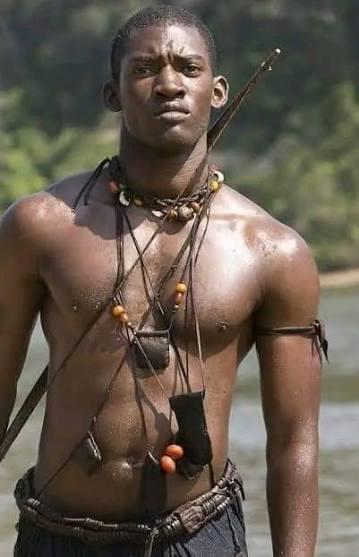
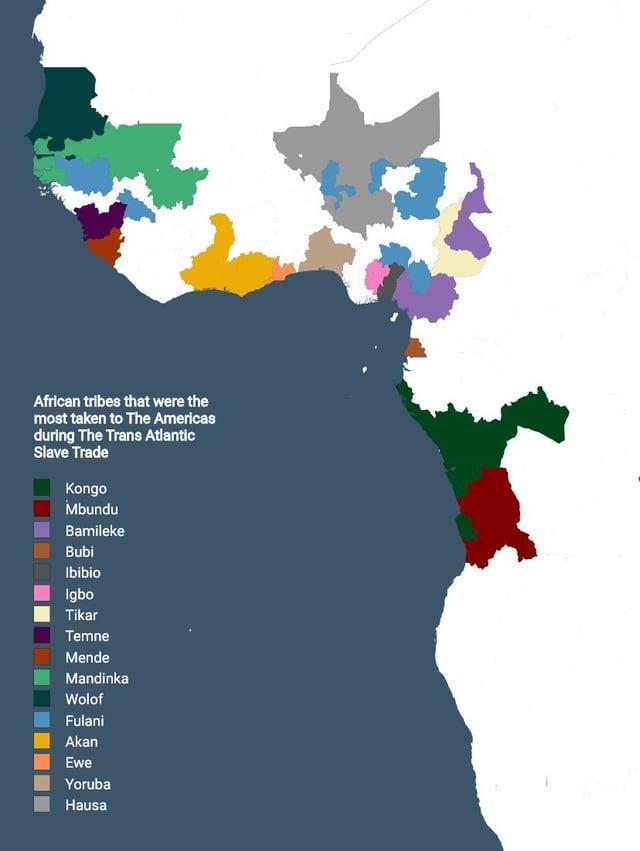
When European slavers arrived, the Mandinka were major targets. Their capture and transportation to the Caribbean, particularly to places like Cuba, Jamaica, and Trinidad, across Americas
This was Represented in double tragedy: the loss of freedom and the fragmentation of a deep cultural lineage. On the plantations, Mandinka individuals were isolated, their language suppressed, and their social hierarchies destroyed. Yet, elements of their culture—stories, musical rhythms, and spiritual concepts—survived in the creole traditions of the African diaspora.
The Yoruba –..
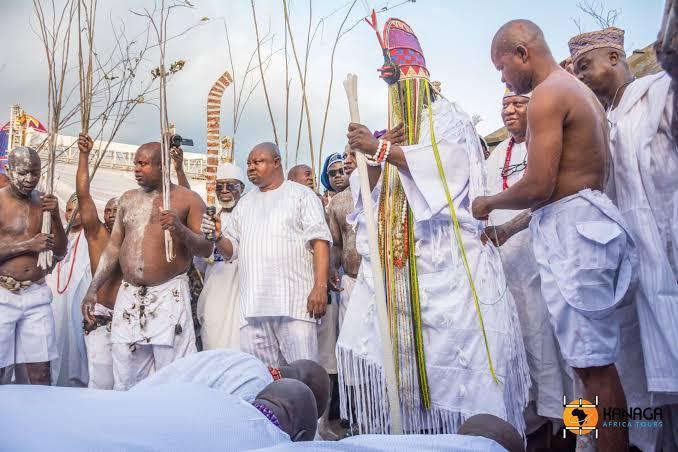
Orisha Worshipers Across the Ocean
From the forests and cities of what is now Southwestern Nigeria and Benin, the Yoruba people possessed one of the most complex and sophisticated spiritual systems in Africa: a vibrant cosmology centered on a supreme creator, Olodumare, and a pantheon of intermediary deities called Orishas
In the Yoruba faith, Olofi or Olofin is a manifestation of the supreme God, the conduit of creation. In Cuba, this term became a key identifier for the Yoruba people themselves, highlighting how deeply their identity was intertwined with their religion. The Enslaved Yoruba brought this rich theological world with them, and it would become the bedrock of the most significant African-derived religion in the Americas.”
There was The Strategy of Division for Preventing Another Palenque.
Slave owners were terrified of rebellion. They had learned from history, such as the famous palenques (maroon settlements) in the Americas where escaped slaves formed independent communities. To prevent unified uprisings, colonial authorities implemented a calculated strategy of ethnic dispersal.
Mandinka, Yoruba, Congo, Igbo, and other individuals were deliberately mixed on plantations. The logic was simple: if people could not speak the same language or share cultural references, they could not easily organize a revolt. This was a policy of cultural suffocation designed to reduce human beings to isolated units of labor. It was an attempt to sever the past to control the present.
But faith has it, The Spiritual Resistance as Santería is Born
Forbidden from practicing their religions openly, the enslaved Africans performed a brilliant act of spiritual synthesis. In Cuba, the Yoruba faith disguised itself within the only permitted religious framework: Roman Catholicism.
This gave birth to Santería (a term meaning "the way of the saints"). Each Yoruba Orisha was syncretized with a Catholic Saint. For example:
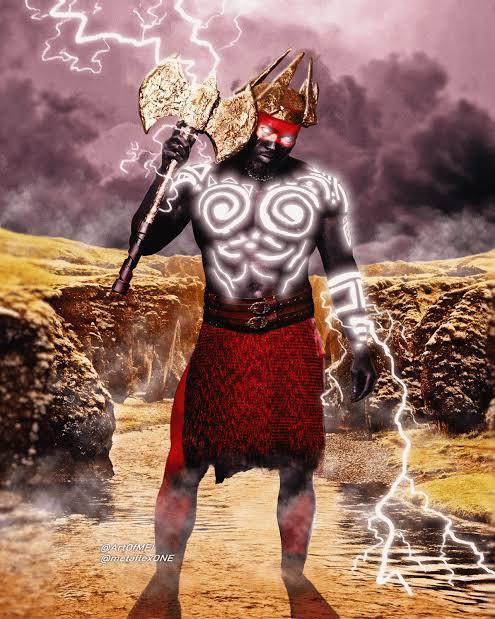
The warrior Orisha Changó/Shango was identified with Saint Barbara.
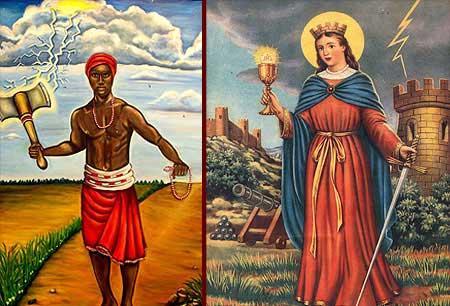
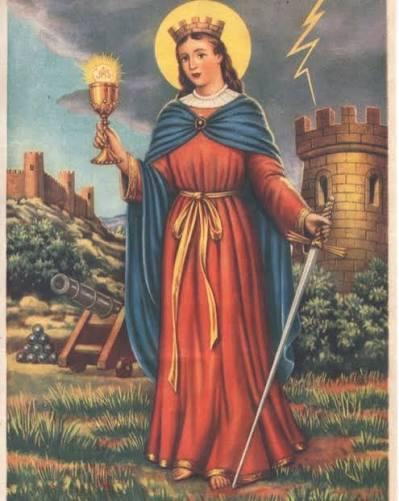
In Christian view point, (as many people don't know her)
Saint Barbara, a 3rd-century Christian martyr, was the daughter of Dioscorus, a wealthy pagan who kept her isolated in a tower. During her solitude, Barbara reflected on creation and secretly embraced Christianity, later receiving baptism. When she refused to marry a pagan suitor, her father grew enraged and reported her to Roman authorities. Barbara endured brutal torture but refused to renounce her faith. Miracles, such as her wounds healing overnight, are said to have occurred during her trials. In the end, her father personally beheaded her, but he was struck by lightning shortly after, seen as divine punishment.
But from historical evidence and what abrahamic religions are like:
Saint Barbara’s story is less biography, more propaganda play. The tower, the lightning, the miracle healings, stock tropes designed to prove faith wins against family and empire. Her “conversion” wasn’t about staring at creation; that’s just theological shorthand. Realistically, it was about social pull,
Christian networks recruiting in a fractured pagan world. Barbara’s legend survives not because it’s true, but because it sold the image of Christians as the brave, persecuted minority winning against divided pagans.
Similarly,
The maternal Yemayá, goddess of the sea, was paired with Our Lady of Regla.
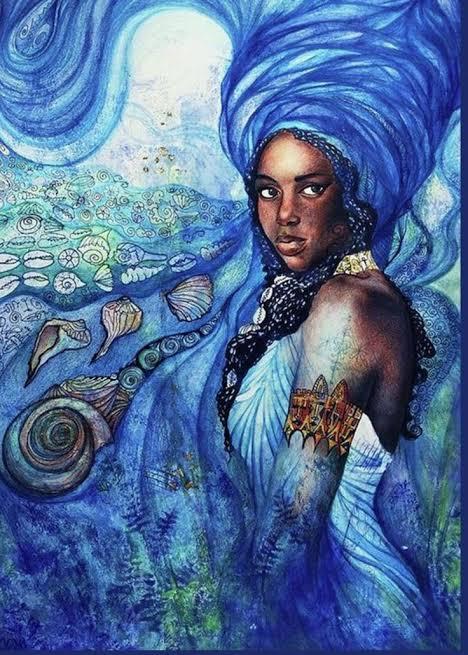
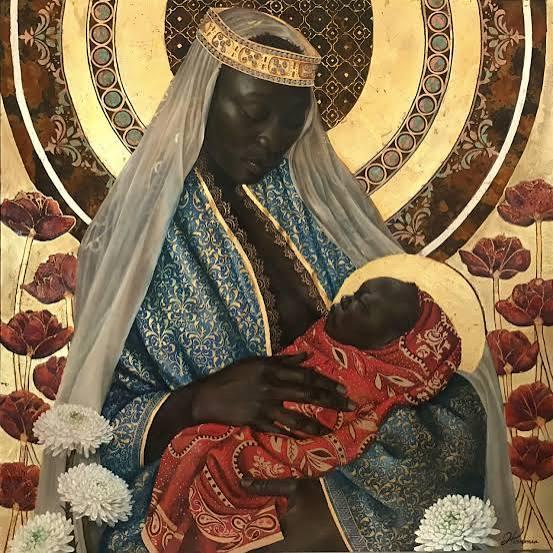
Our Lady of Regla is a Catholic devotion to the Virgin Mary, represented: dark-skinned
This devotion is strong in Spanish-speaking countries, particularly Spain and Cuba, where she is syncretized with the sea goddess Yemayá in Santería. She is revered as a patroness of sailors and travelers, with sanctuaries in Chipiona, Spain, and Regla, Cuba.
Ochún, the goddess of love and rivers, was associated with Our Lady of Charity, the patron saint of Cuba.
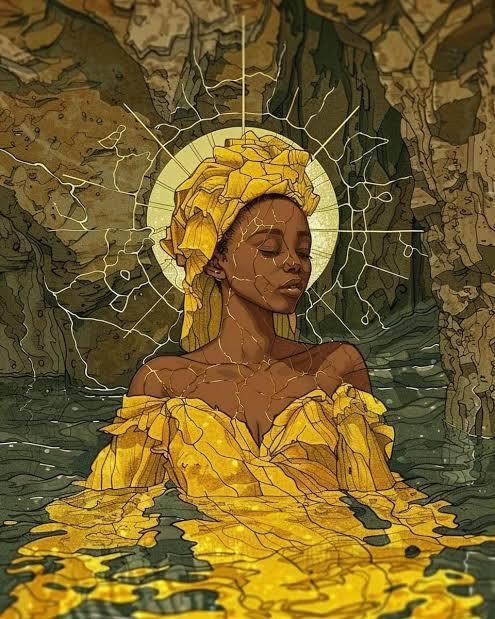
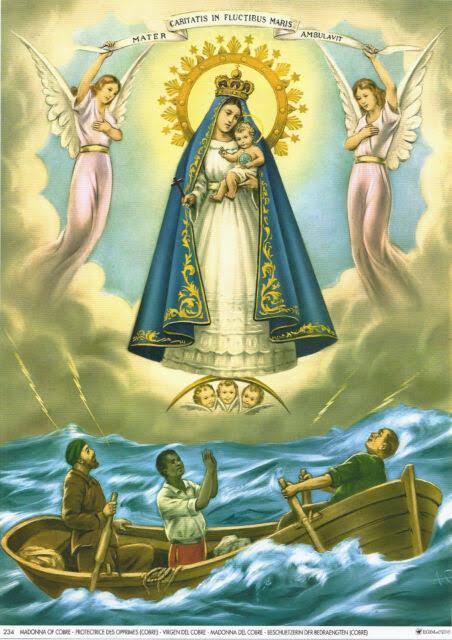
Our Lady of Charity is the patron saint of Cuba, officially proclaimed in 1916 by Pope Benedict XV. The devotion to her began around 1612 when a statue of the Virgin Mary, known as the Virgin of Charity, was found floating on a board near the Bay of Nipe after a storm. She is a powerful symbol of Cuban identity and resilience, venerated by both Catholics and followers of the Santeria religion
This was not a surrender of faith but a strategic preservation. Behind the icons of Catholic saints, the drums still called the Orishas.
an observer familiar with Hindu Dharma, the structure of Yoruba religion and Santería will feel strikingly familiar. The parallels are profound:
Firstly, Both traditions acknowledge a single, supreme, often distant creator God (Brahman in Hinduism, Olodumare in Yoruba faith), who is accessed through a pantheon of more approachable deities (Devas/Gods or Orishas).
Olodumare in yoruba
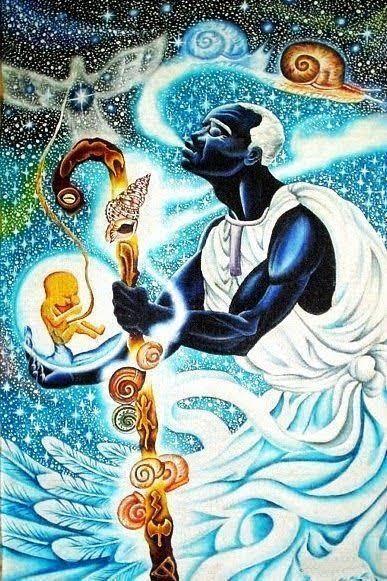
Brahman
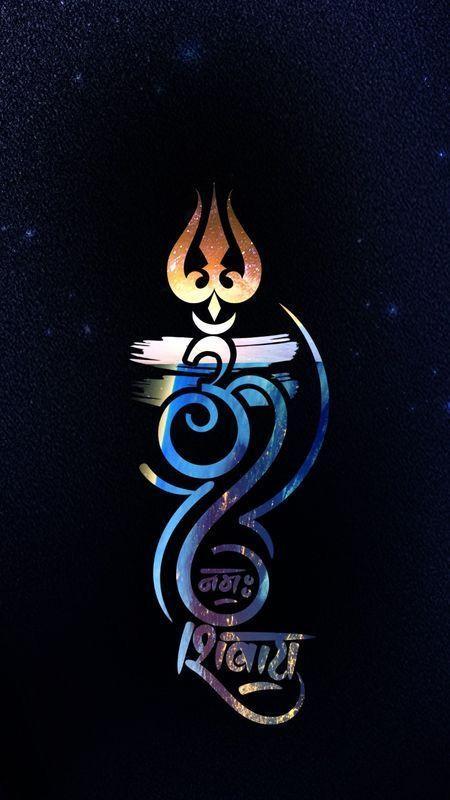
Then The world is seen as inherently sacred. Rivers, mountains, and trees are not just objects but abodes of the divine, much like the sacred Ganga or the Vedic deification of natural forces.
Then
Complex rituals, offerings puja or ebó and the use of elements like fire, water, and incense are central to both, serving to maintain cosmic order and personal harmony.
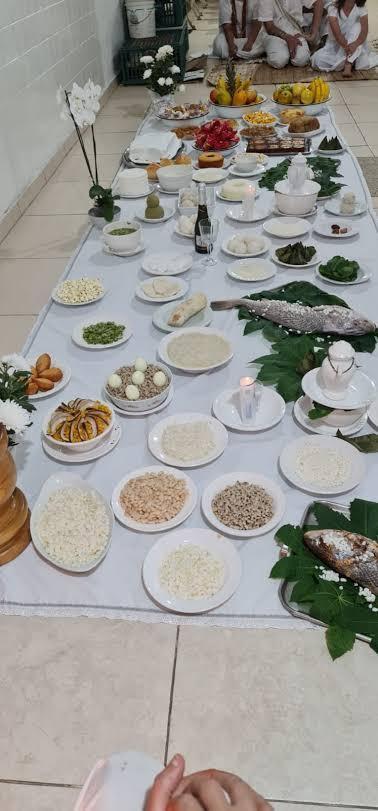
With The spiritual authority of the Hindu guru who guides disciples is mirrored by the Babalawo (Father of Secrets), the Yoruba priest and diviner who interprets the will of the Orishas.
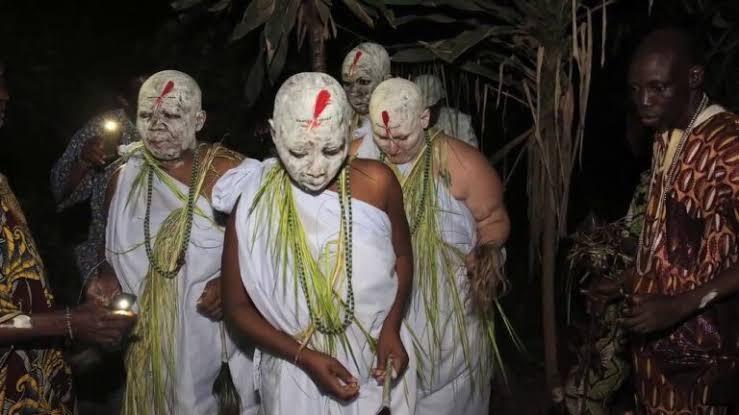
This suggests not a historical connection, but a parallel evolution of spiritual thought—a shared understanding of a multifaceted, animate universe.
Today, the legacy of this history is vibrant. While precise numbers are difficult, it is estimated that a significant portion of Cuba's population
some sources suggest up to 70-80% participate in Santería to some degree, whether as initiates or believers.
The Yoruba diaspora, numbering nearly 50 million worldwide, has seen its traditional religion become a global phenomenon. Santería (known as Lukumí in Cuba), along with its cousins Candomblé in Brazil and Vodou in Haiti, is no longer a hidden faith but a recognized world religion. It has influenced music, art, and philosophy worldwide, a testament to the unbreakable will of those who refused to let their gods die.
In Conclusion
The story of the Mandinka and Yoruba in the Caribbean is the ultimate refusal to The strategy of division. While it successfully prevented large-scale political rebellions for a time, it could not stop the cultural rebellion that simmered beneath the surface.
The journey is not over. The descendants of the Mandinka and Yoruba, both in the Caribbean and across the globe, continue to navigate their complex identities. They are doctors, artists, and farmers who also might be initiates of Shangó or children of Yemayá. The drums that once called ancestors across the water still beat, now in Havana, Miami, and New York, carrying the story of the fractured who, through faith, made themselves whole again.
“Their history is a living document, written not on paper, but in rhythm, prayer, and an unbroken chain of memory that stretches back to the shores of West Africa.”