The Triple
Fragmentation
— A Crisis of Coherence, Indic civilizational problems.
A CRISIS OF COHERENCE
The project of building a coherent modern nation-state is fraught everywhere, but in India, it faces a unique triple challenge: managing profound internal diversity (caste, language, ethnicity), integrating exclusivist external faith systems, and defining a civilizational identity against a colonial past.
This is not a simple question of pluralism versus nationalism. It is a question of whether a civilization whose innate strength is its Dharmic, absorptive pluralism can survive a three-front cold war: against its own internal hierarchical fractures, against the external pressure of theological exclusivism, and against its own reactive impulse to become the very monolith it defines itself against.
History offers no perfect models, only cautionary tales and partial solutions.
HISTORICAL MODEL I
The Westphalian Model
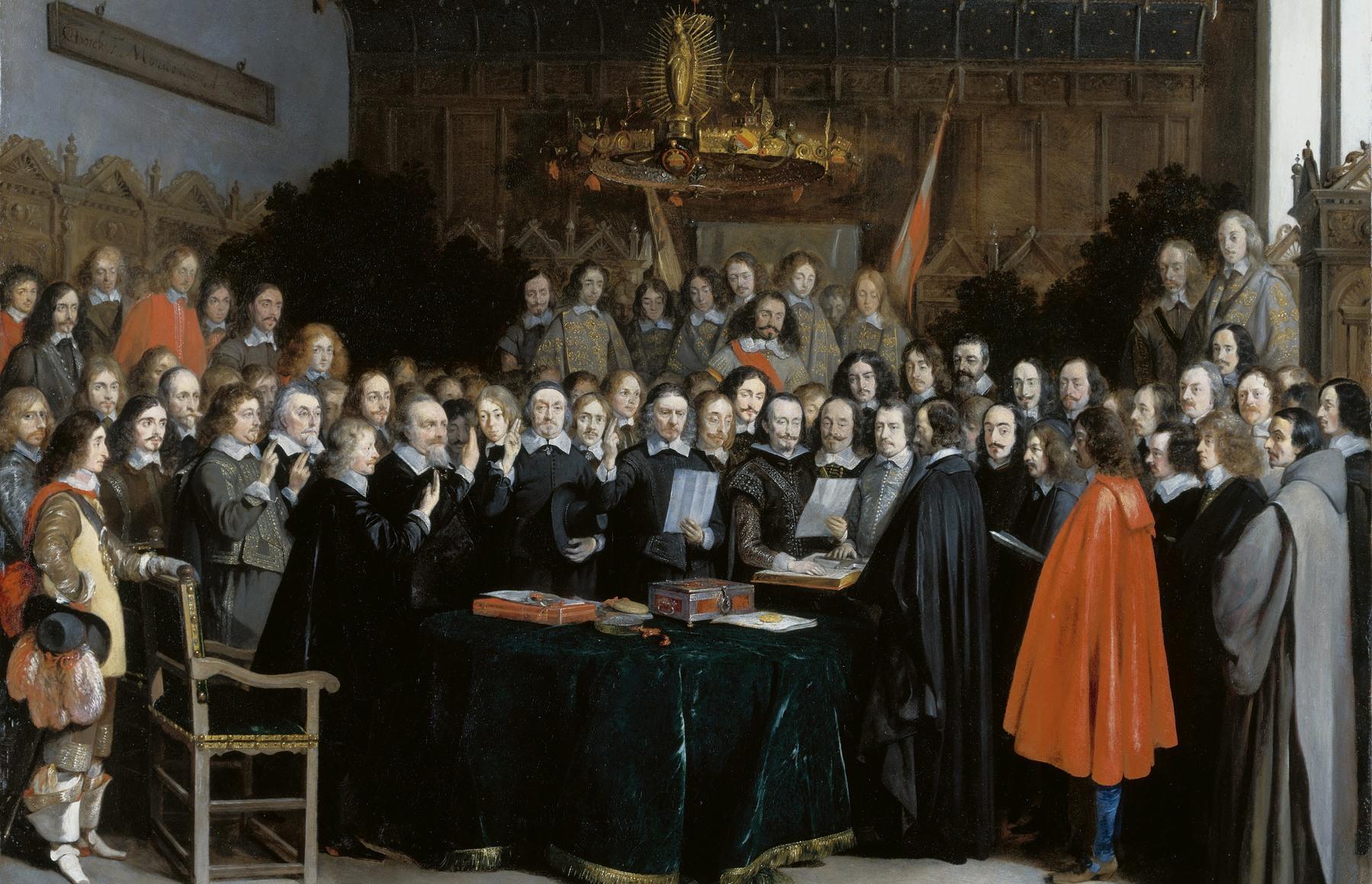
· The Westphalian Model (Europe): The 1648 Peace of Westphalia ended religious wars in Europe by creating a simple, brutal solution: cuius regio, eius religio (“whose realm, their religion”). Rulers enforced religious homogeneity within their territories. This is the foundation of the ethno-nationalist state. It creates coherence through exclusion and is the antithesis of Dharmic pluralism.
HISTORICAL MODEL II
The Ottoman Millet System
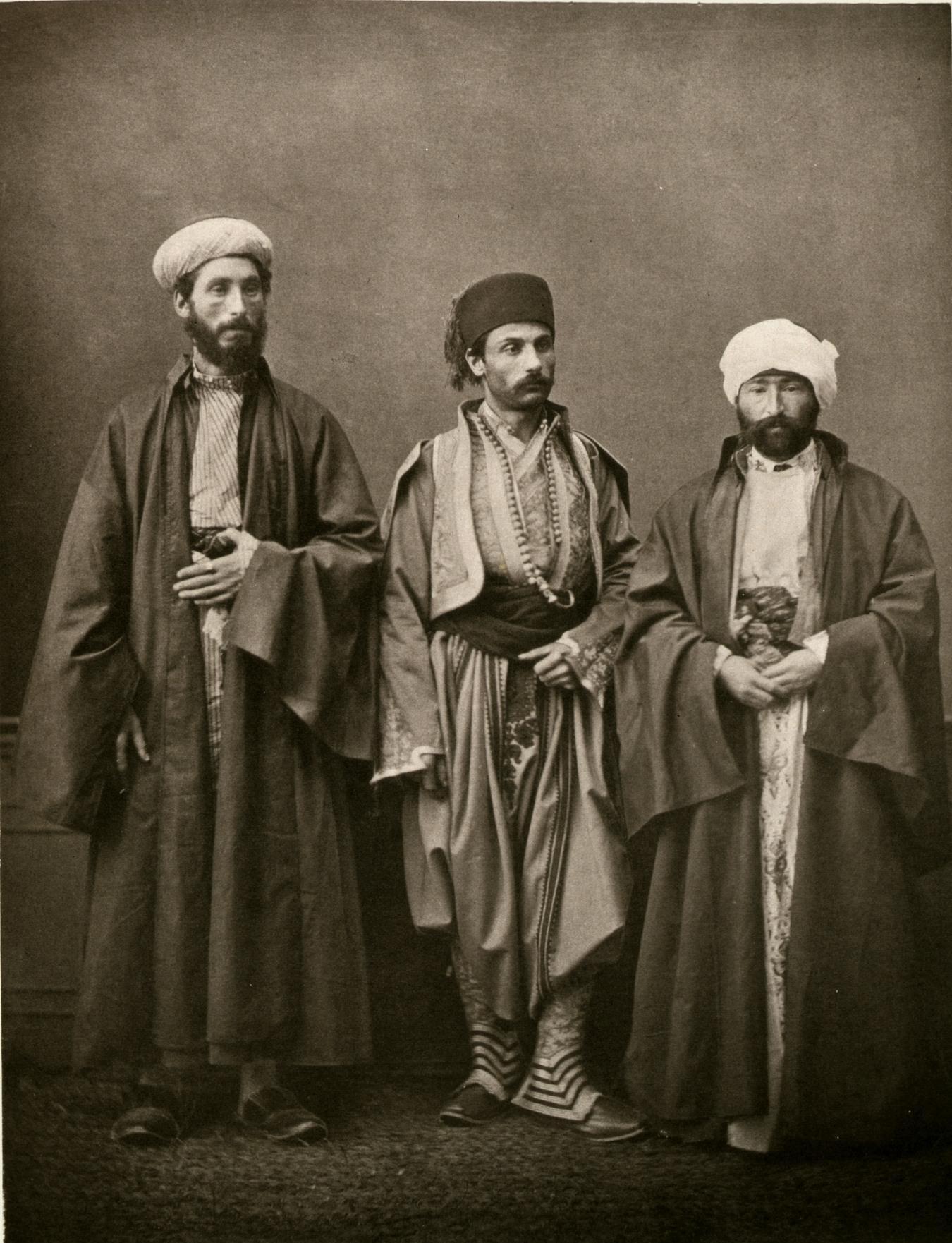
· The Ottoman Millet System: The Ottomans managed religious diversity by granting autonomy to non-Muslim communities (millets). This provided stability but institutionalized separation, preventing a unified Ottoman identity and ultimately fueling nationalist separatism. It is a model of managed difference, not integrated unity.
THE INTERNAL FRONTIER
The Internal Frontier: Caste as a Permanent Counter-Pluralism
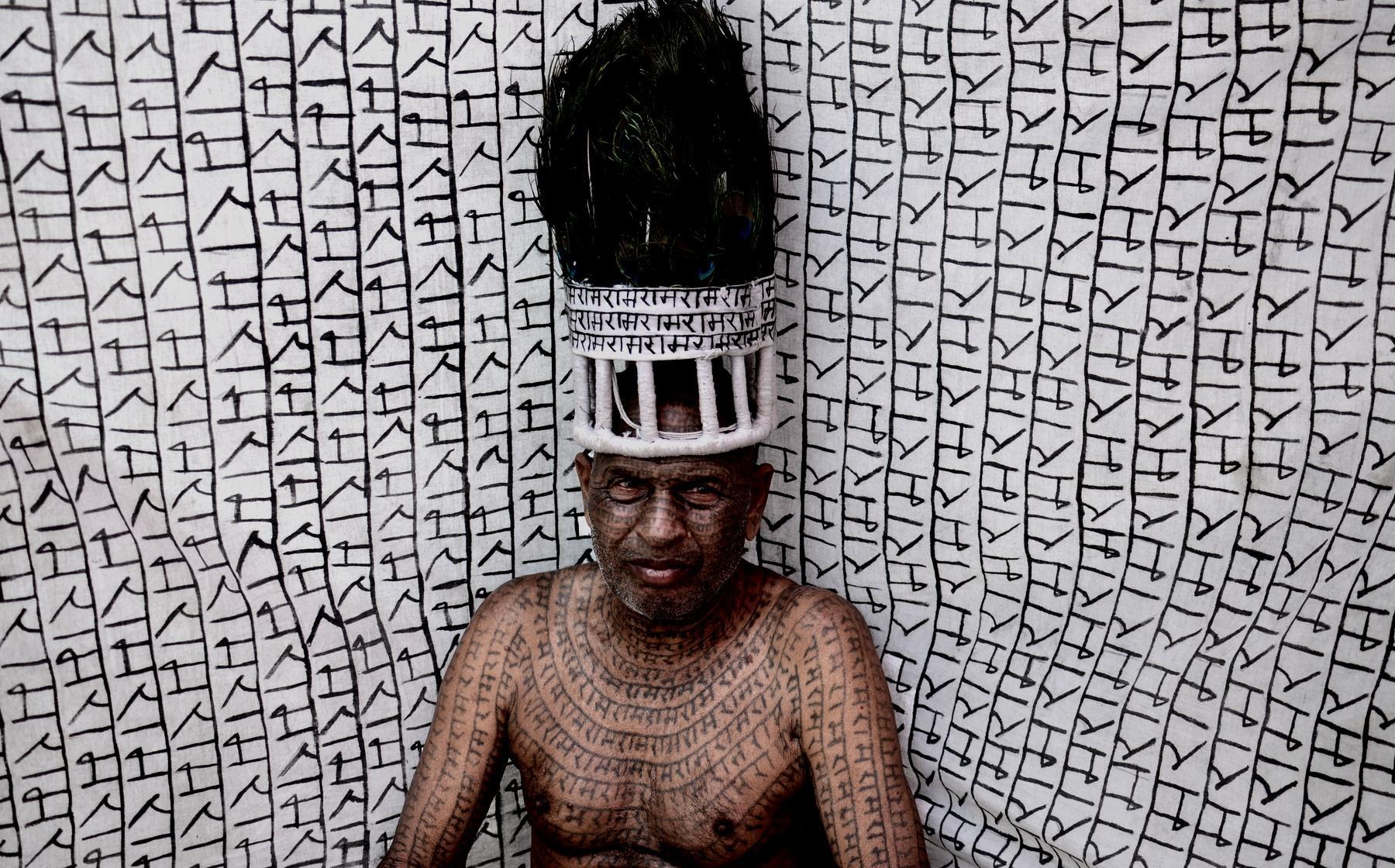
While India debates its relationship with external faiths, its most enduring challenge to a coherent national identity comes from within: the caste system.
Caste is more than social stratification; it is a built-in engine of social fragmentation. It operates as a centuries of competing ethnocracies, each jati functioning as a closed unit focused on its own preservation, status, and political power. This creates a society where primary loyalty is to the subgroup, not the nation. (Which we can experience in the caste voting)
This "caste kanging" or continuous intra-Hindu civil war over reservations, status, and political representation consumes enormous social and political energy, making the development of a pan-Indian Hindu civic consciousness nearly impossible. It is the ultimate barrier to collective decision-making.
THE EXTERNAL CHALLENGE
The External Challenge: Dharmic Pluralism vs. Abrahamic Exclusivism
The civilizational tension with Abrahamic faiths is not merely theological; it is systemic and structural.
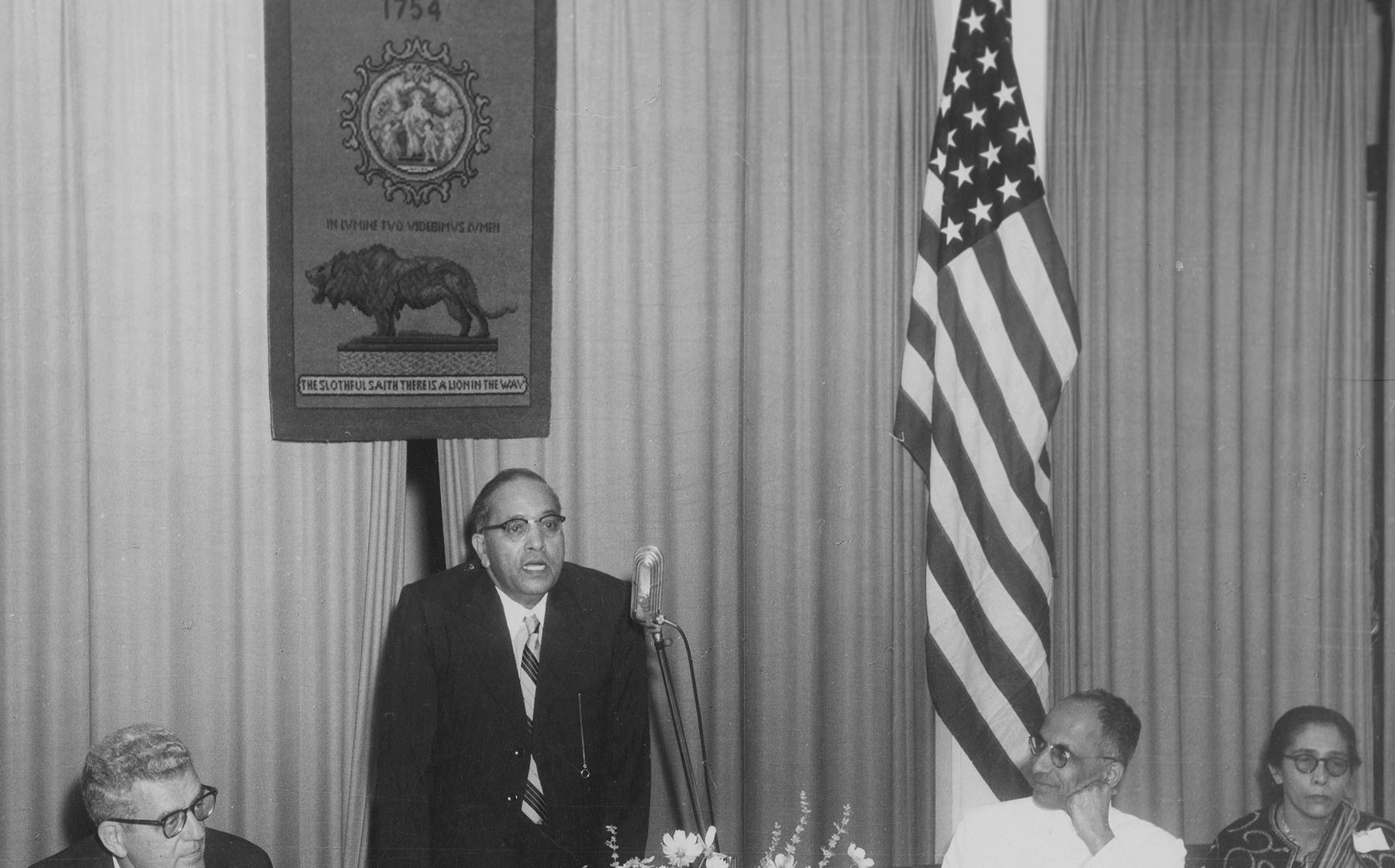
Dharmic systems (Hinduism, Buddhism, Jainism, Sikhism) are inherently pluralistic. They are non-dogmatic, allow for multiple paths to truth (anekāntavāda), and do not mandate proselytization. One can be a Hindu and a patriot, or a Hindu and a citizen of the world, without contradiction.
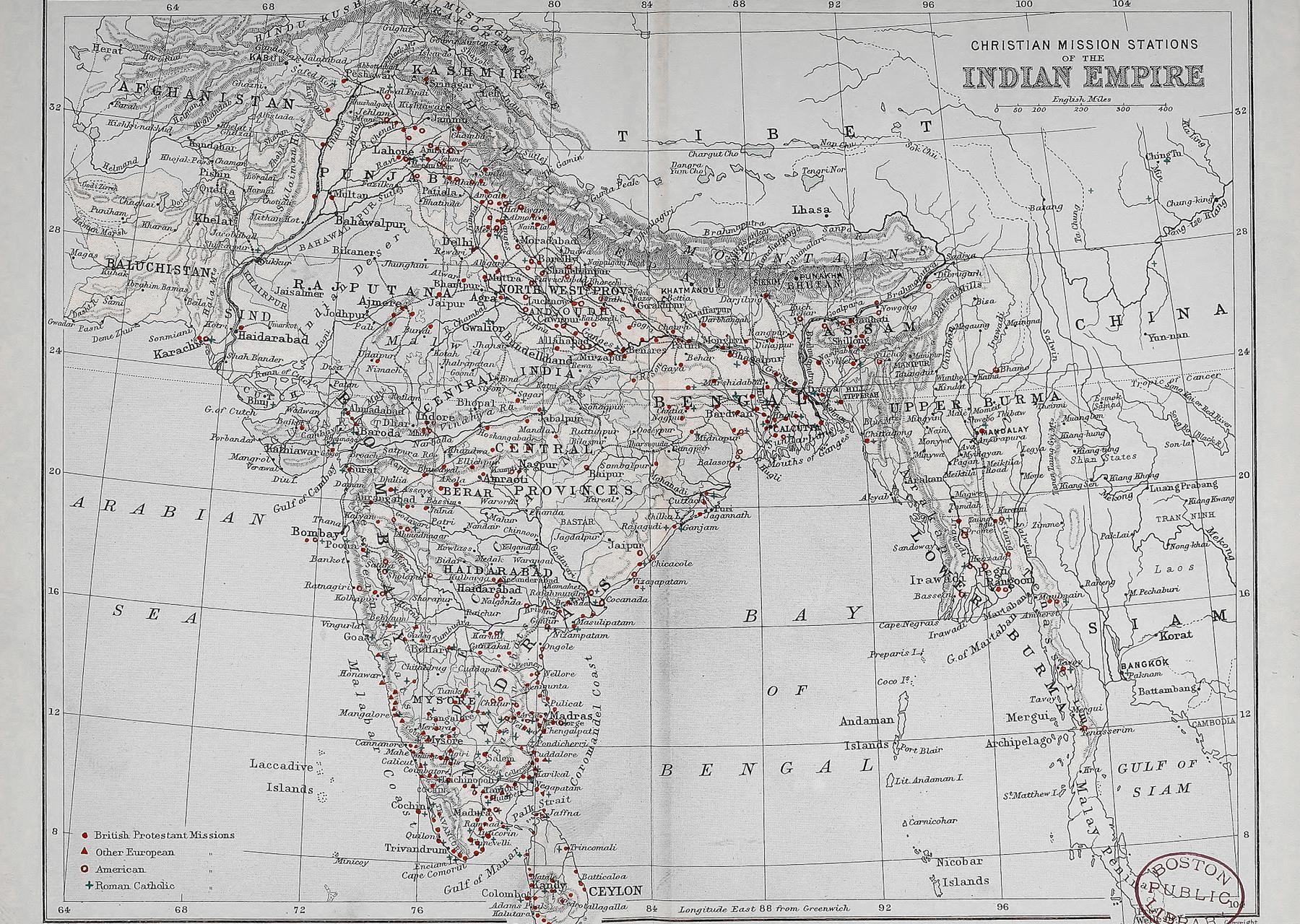
This is not about tolerance of individuals but the compatibility of systems. The Indian state, born from a Dharmic civilizational soil, is now host to a theological system whose operating principle is the ultimate replacement of that soil. This creates a legitmate civilizational anxiety that is often dismissed as mere bigotry.
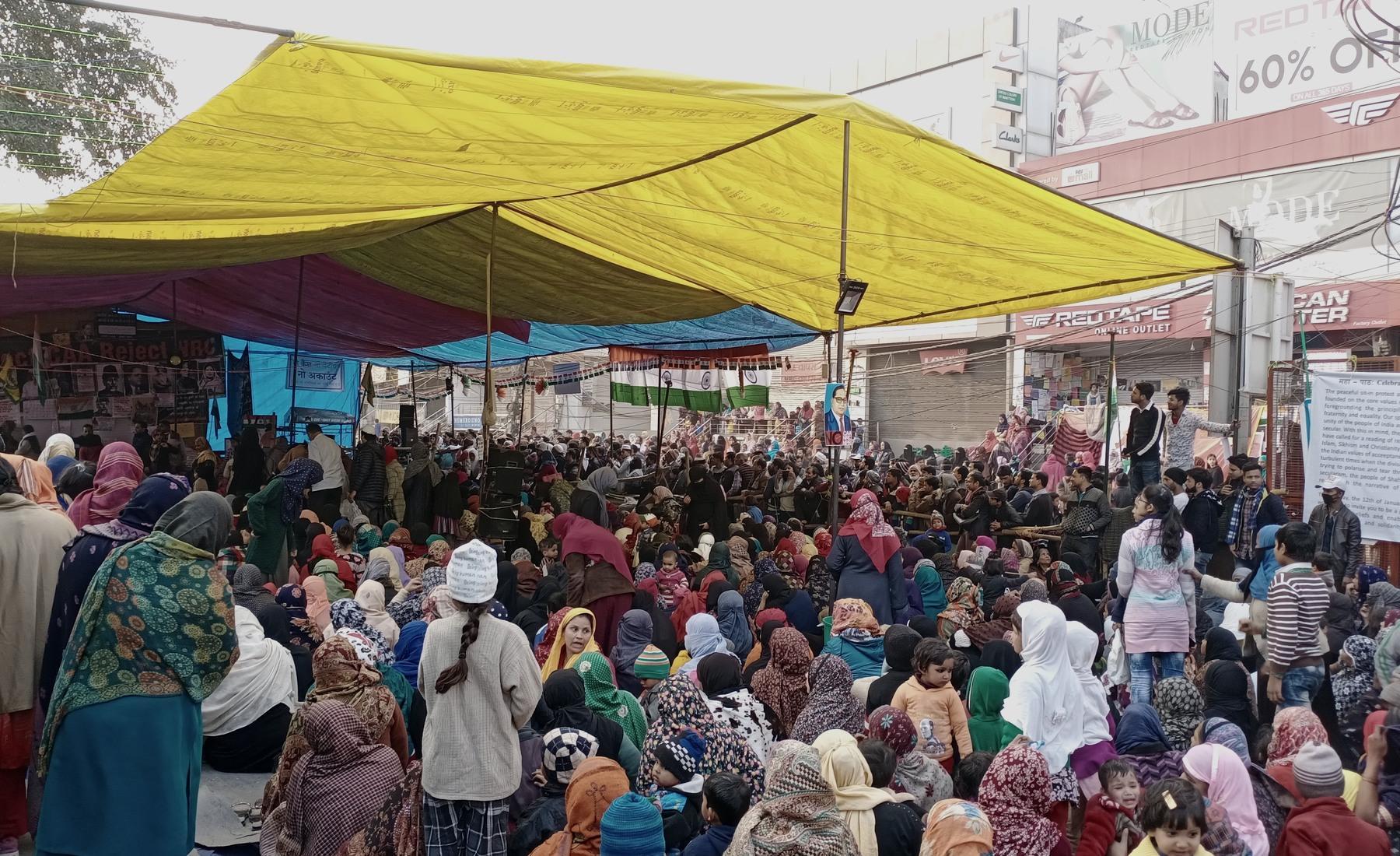
The political response has been the gradual shift towards a Hindu Ethno-State (de facto, not de jure), using state power to assert majority cultural dominance through laws on citizenship (CAA), conversion, and personal law. This is a Westphalian solution to a civilizational problem.
FEEDBACK AND REACTION
The Vicious Cycle: How the Threats Feed Each Other
These three forces, internal caste fragmentation, external Abrahamic pressure, and majoritarian reaction, do not exist in isolation. They create a vicious cycle that prevents coherence.
1. Caste Fragmentation weakens Hindu society from within, making it vulnerable to organized proselytization that often targets economically disadvantaged castes.
2. This proselytization fuels a majoritarian backlash, which seeks to create a unified Hindu political front ("Hindu vote bank") by papering over caste differences with rhetoric of external threat.
3. This backlash further alienates minorities, deepening religious divides and making genuine civic nationalism impossible. Meanwhile, caste divisions persist beneath the surface, ensuring the "unified" Hindu identity is a temporary political mirage, not a social reality.
THE PATH FORWARD
The Path Forward: Beyond the Westphalian Trap
The easy path is the Westphalian one: become a hard ethnostate that suppresses all difference in the name of coherence. But this would mean India abandoning its soul its Dharmic pluralism and becoming what it claims to oppose.
The more difficult, but truly Dharmic, path requires a multi-layered approach:
1. Address Internal Fragmentation: A genuine, society-wide movement to eradicate caste-based thinking and politics (”caste kanging”). This is the hardest task, as it requires fighting millennia of ingrained practice. Coherence cannot be built on a foundation of internal hierarchy.
2. Define a New Compact: The state must move from a reactive majoritarianism to a confident, Dharmic-inspired constitutionalism. This means legally protecting the civilizational character of India from proselytization (e.g., robust anti-conversion laws that are uniformly applied) while fiercely protecting the rights of all individual believers to practice their faith. It manages the system, not the individual.
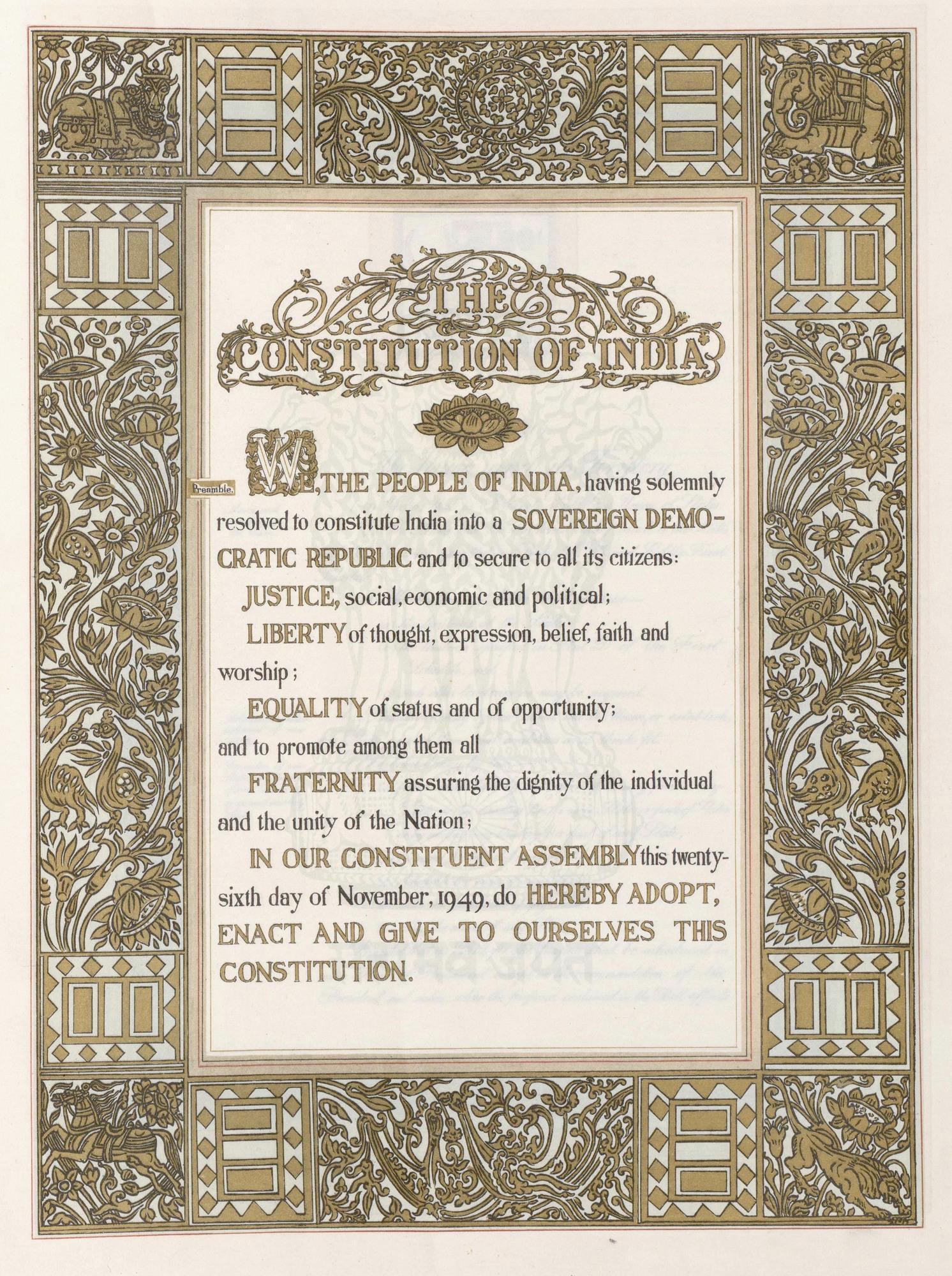
1. Promote Civic Dharma: The national identity must be rooted in a new concept: Civic Dharma. This is loyalty to the constitutional order, interpreted through the lens of Raja Dharma the duty of the state to ensure justice and balance for all. It would celebrate Dharmic civilizational symbols as the foundation of the state's culture, while demanding from all citizens regardless of faith or caste adherence to the civic rules of the shared public square.
2. Learn from History, Not Copy It: The Ottoman millet system failed by creating parallel societies. The Westphalian model succeeded through coercion. India's solution must be unique: a strong, unified civic state that allows for deep cultural and religious expression but prohibits any group—whether a caste, a majority, or a minority—from engaging in practices that destabilize the whole (be it exclusivist proselytism or caste-based discrimination).
CONCLUSION
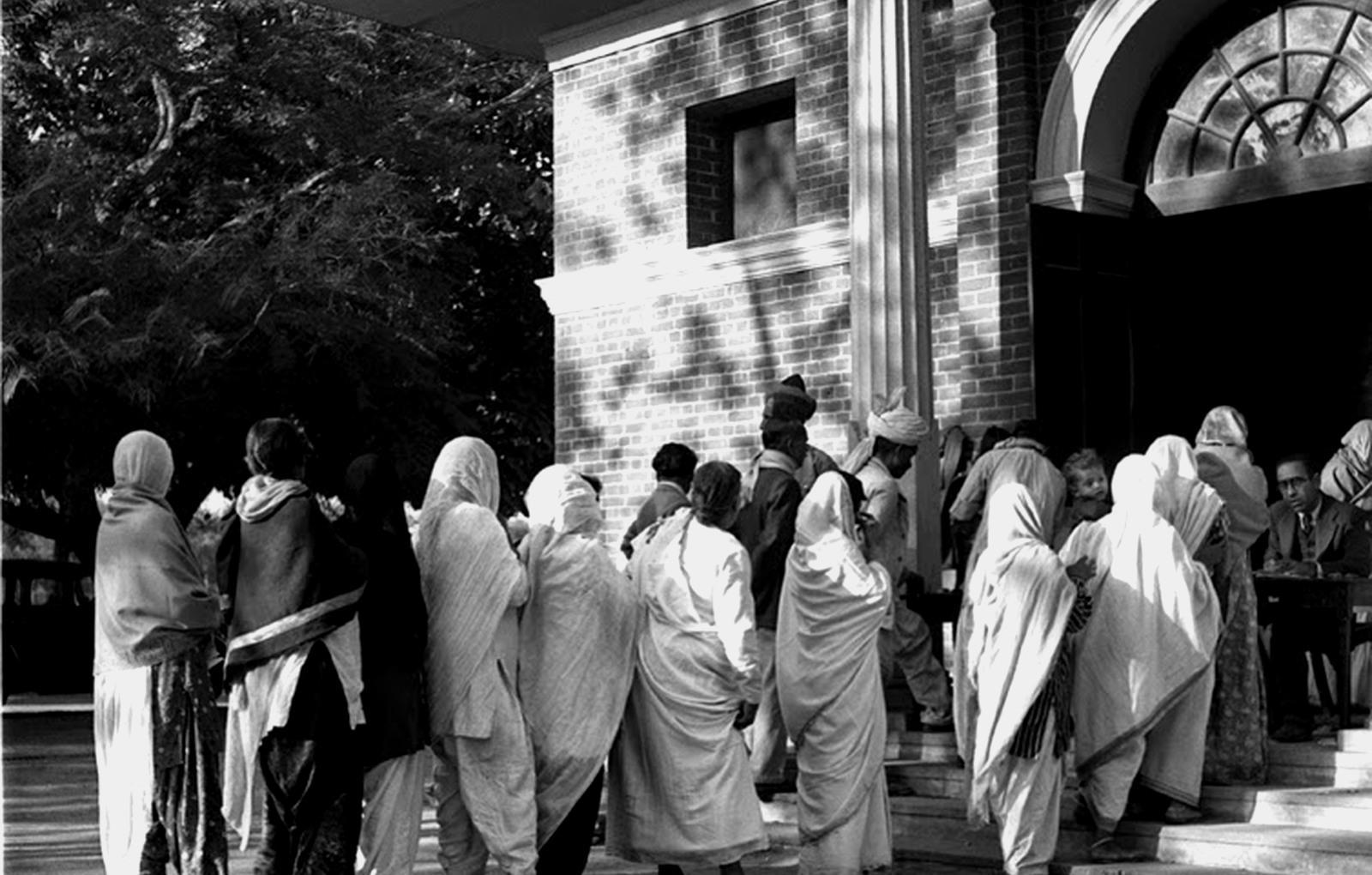
The conclusion is stark. India is currently failing the pluralist's dilemma on all three fronts. It is succumbing to internal caste fragmentation, reacting to external theological pressure with brute majoritarianism, and thus failing to build a genuine, cohesive civic identity.
A coherent India will not emerge from a victory of one group over another. It will only emerge from the difficult, Dharmic work of establishing a new balance, one that acknowledges the reality of civilizational difference, addresses the poison of internal hierarchy, and builds a state strong enough to hold it all together without becoming a tyrant.
The choice is not between a Hindu Rashtra and a secular state. The choice is between a state that manages its profound differences with wisdom and justice, and one that collapses into a thousand fragments, of caste, creed, and tribe. all while clinging to the empty title of "Vishwaguru." The world's teacher cannot be a nation that cannot teach its own people to live as one.