The Quantum and the Eternal
How Erwin Schrödinger Found Solace in the Upanishads
Introduction: A Scientist's Search for Meaning
|
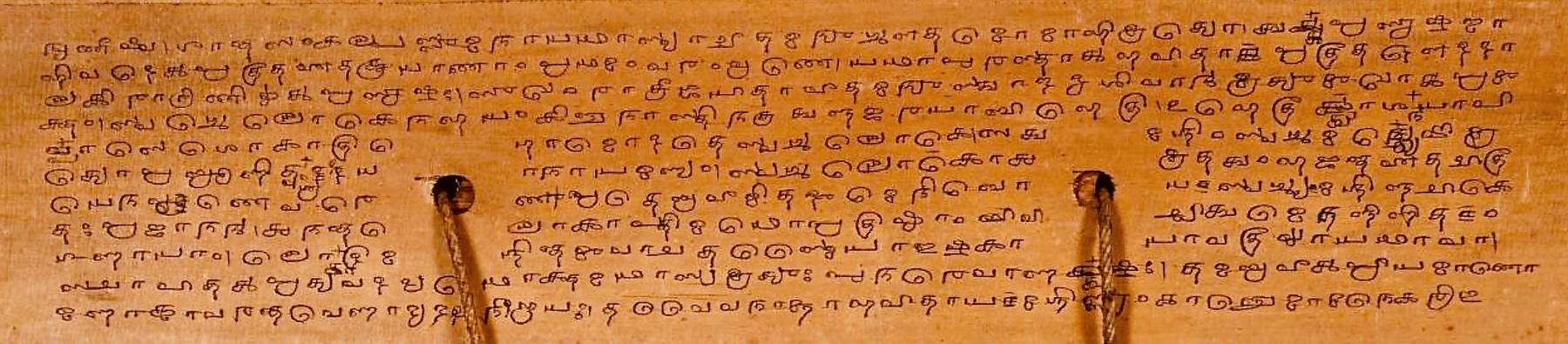
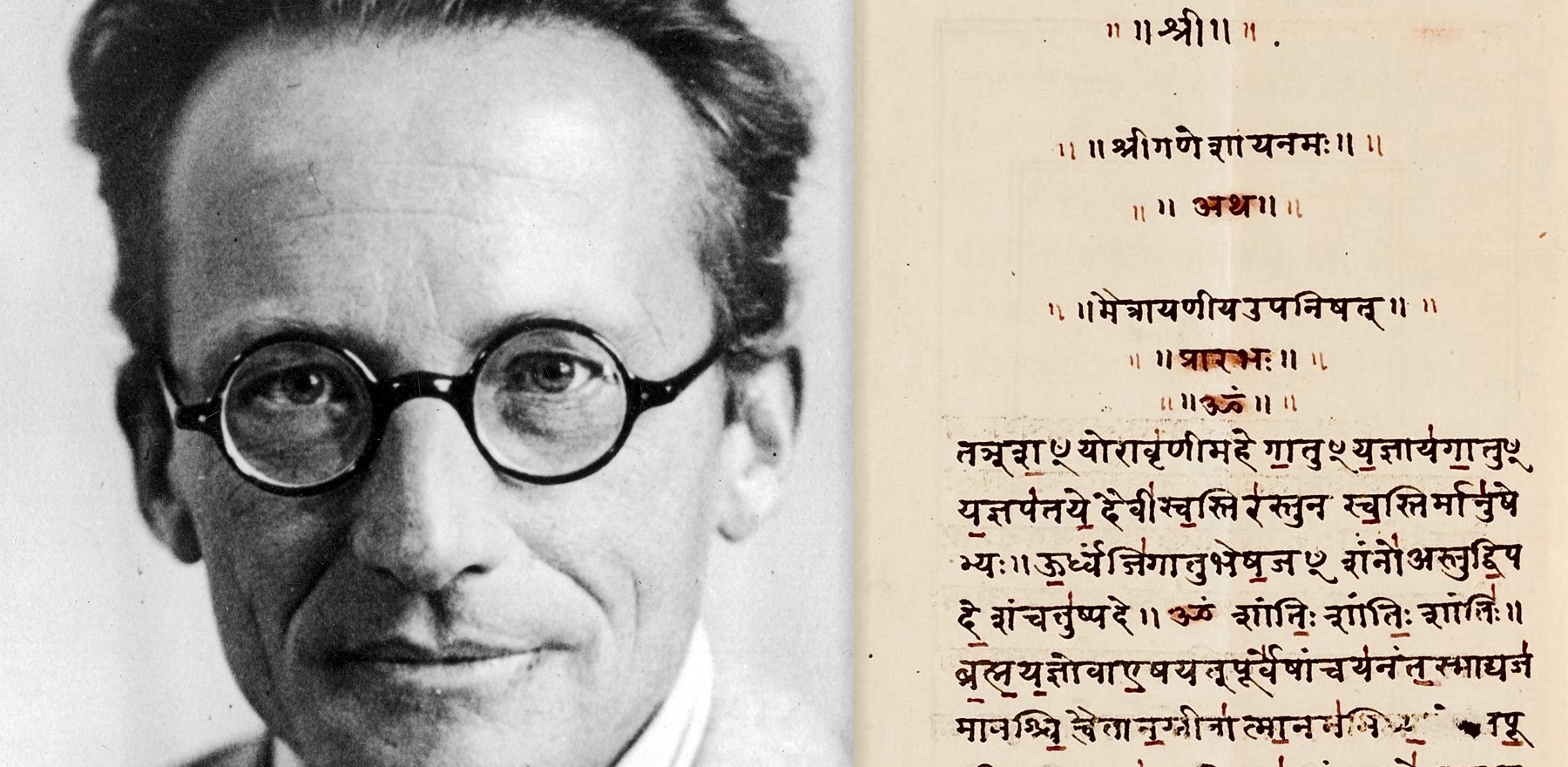
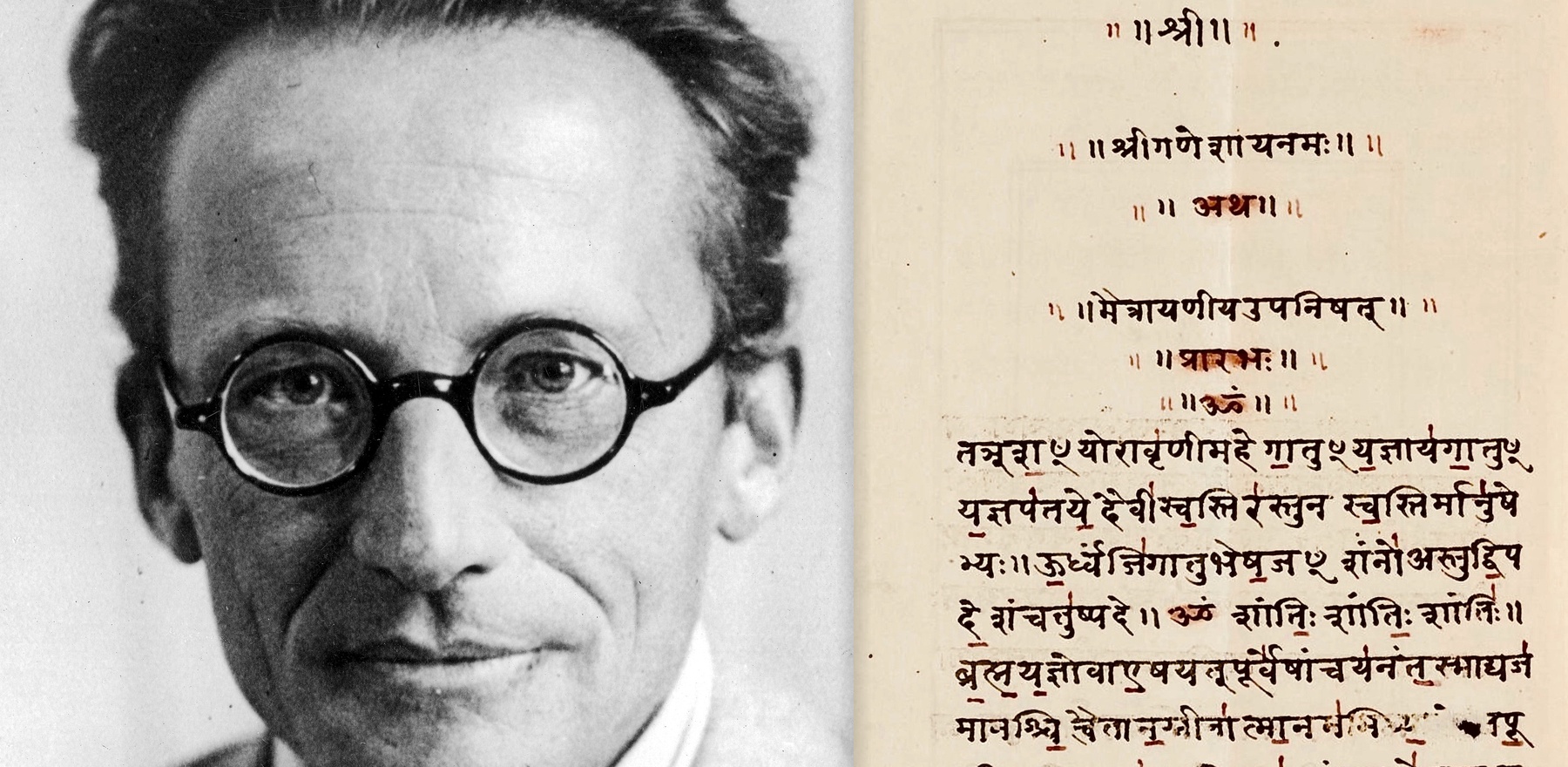
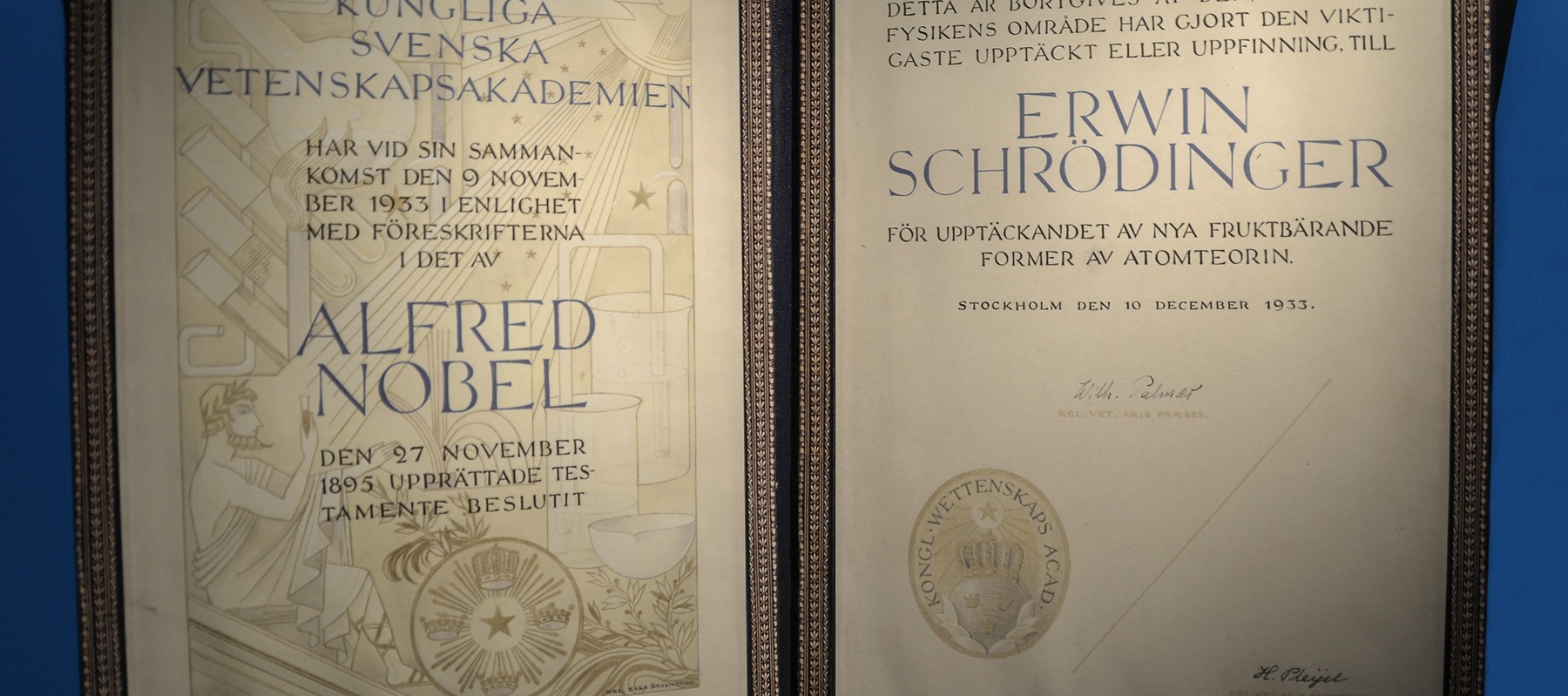
In 1918, seven years before his groundbreaking work on wave mechanics that would earn him the Nobel Prize, Erwin Schrödinger confided to his notebook a long-cherished wish: to become a philosopher. He was already a brilliant physicist, but his mind was restless, reaching beyond the equations of physics toward the fundamental questions of existence. It was in this same year that Schrödinger, through the writings of Arthur Schopenhauer, was first introduced to Indian philosophy—specifically, the ancient wisdom of the Upanishads and the non-dualistic school of Advaita Vedānta. What followed was a lifetime of intellectual engagement with these texts, an engagement so profound that Schrödinger would come to see the Upanishadic slogan "Brahman = Atman" as the "closest thing to the truth." He called for a "blood transfusion" of Indian thought into the West. This is the story of how one of the founding fathers of quantum physics used the Upanishads not as a textbook for physics, but as a philosophical and metaphysical anchor in a world turned upside down by the strange implications of his own discoveries. |
The Crisis of Quantum Physics: When Reality Became Strange
|
The early twentieth century was a time of profound upheaval in physics. The classical picture of reality—a world of solid objects obeying deterministic laws—was crumbling under the weight of experimental evidence. Physicists discovered that subatomic particles like electrons could behave in ways that defied all expectations: they could exist in multiple places at once, tunnel through walls, and behave as both particles and waves.
Schrödinger himself was at the heart of this revolution. In 1926, he formulated the wave equation that would become the foundation of quantum mechanics. Yet the theory he helped create troubled him deeply. It seemed to suggest that the universe was not the solid, objective reality that common sense suggested, but something far stranger—a diffuse cloud of probabilities, where the act of observation itself seemed to play a role in determining what was real.
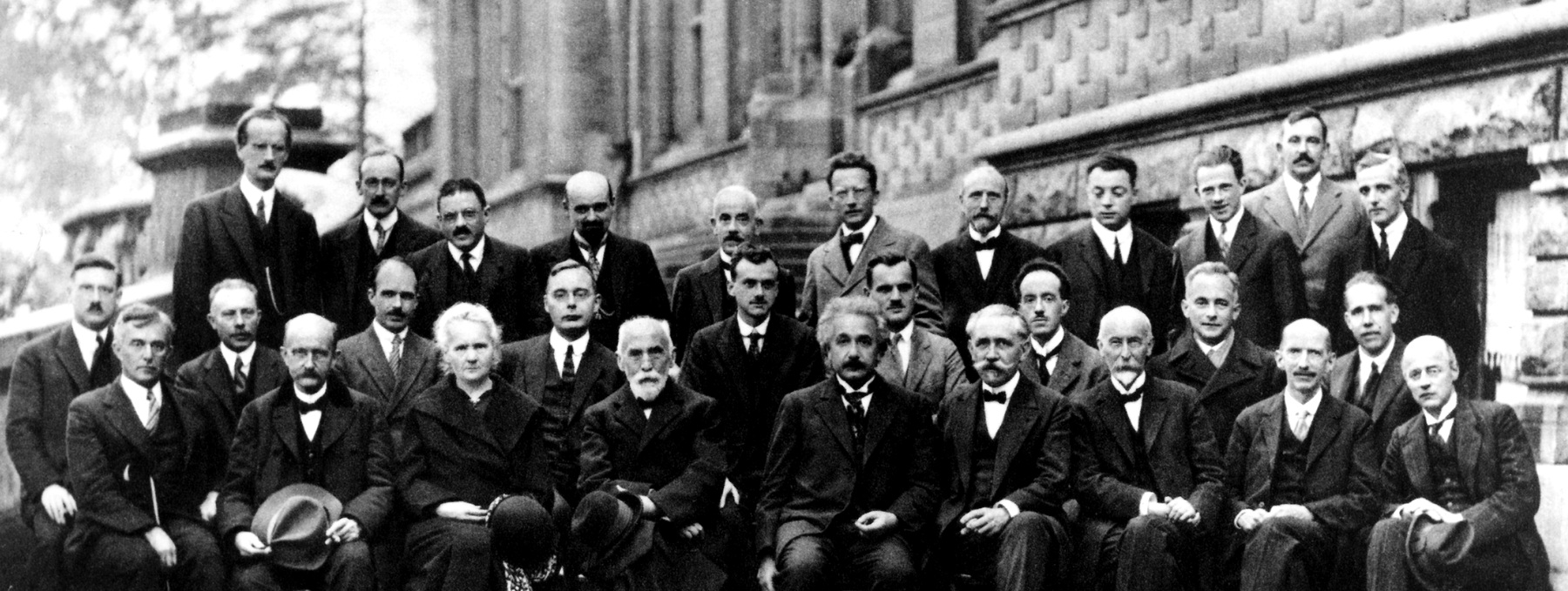
This was the moment when Schrödinger and his contemporaries—Einstein, Bohr, Heisenberg—found themselves cast adrift, facing a dilemma: to believe a preposterous theory that worked, or to discard it for an intuitive theory that didn't. At this critical juncture, they discovered that their notion—that the world we see is not reality itself but a projection onto our consciousness—was not entirely new.
The Upanishadic Answer: "The Multiplicity is Only Apparent"
|
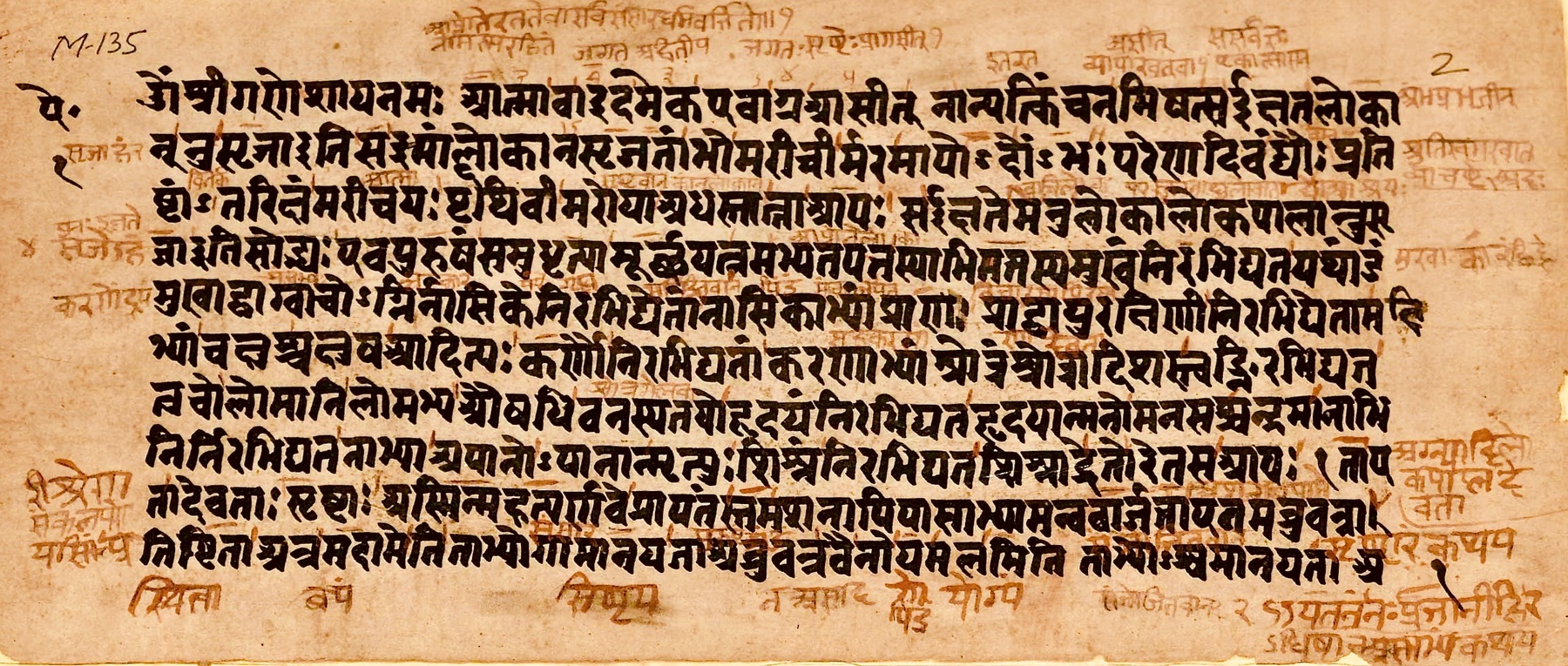
In the ancient Indian texts known as the Upanishads, Schrödinger found echoes of the conclusions that quantum physics was forcing upon him. The core teaching of the Upanishads—that the ultimate reality is a unified, undivided consciousness—resonated deeply with his own emerging worldview.
Schrödinger wrote: "The multiplicity is only apparent. This is the doctrine of the Upanishads. And not of the Upanishads only. The same conclusion is reached in quantum physics... by the analysis of experience." |
He found his answer, again, in the Upanishads: "There is obviously only one alternative," he wrote, "namely the unification of minds or consciousnesses. Their multiplicity is only apparent."
The Chandogya Upanishad's declaration—"All this is Brahman. Everything comes from Brahman, everything goes back to Brahman, and everything is sustained by Brahman."—became a guiding principle for Schrödinger. He saw in this ancient wisdom a solution to what he called the "real difficulty" for philosophy: how to make sense of the spatial and temporal multiplicity of observing and thinking individuals.
The Doctrine of Identity: Brahman = Atman
|
|
|
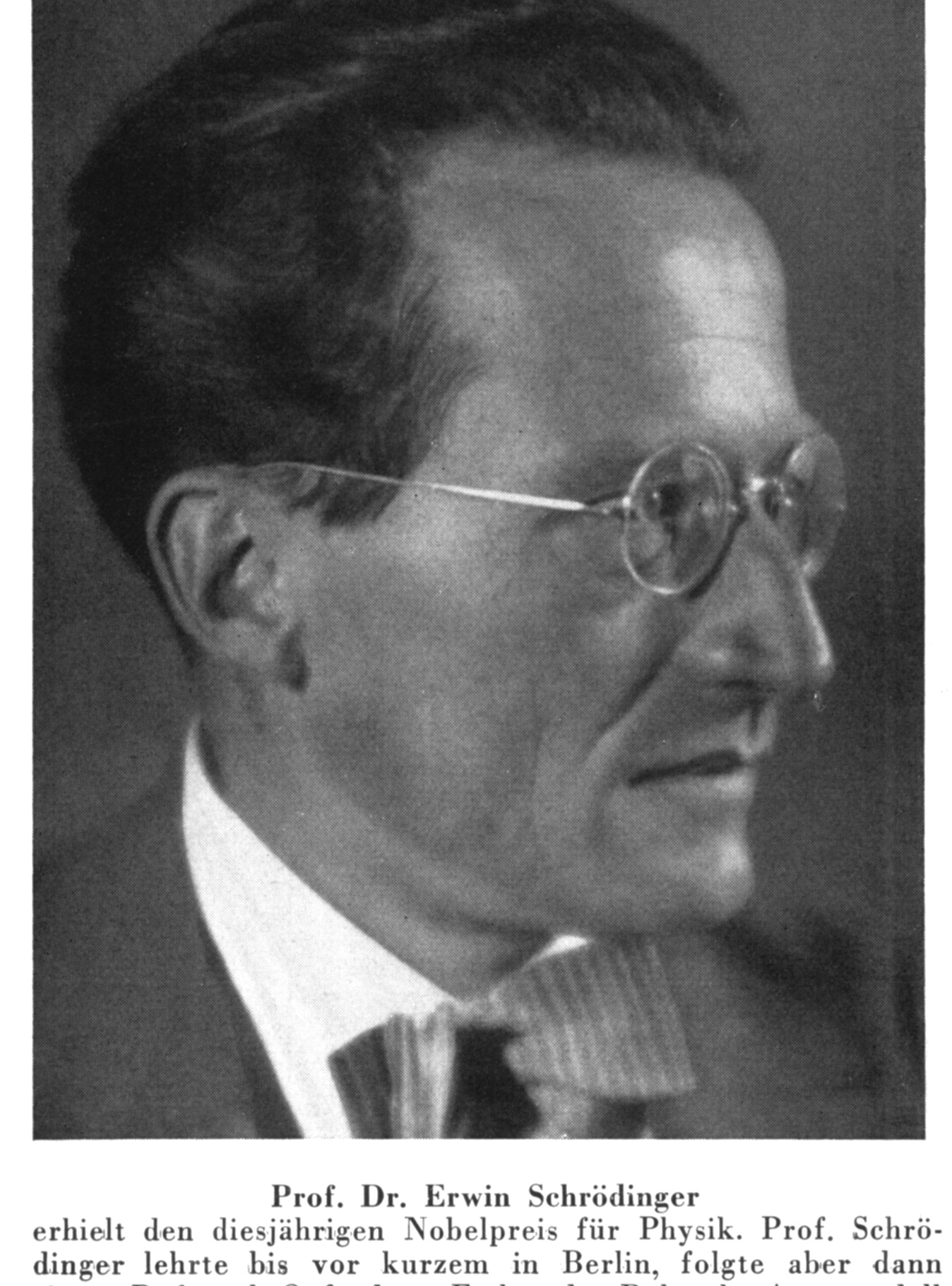
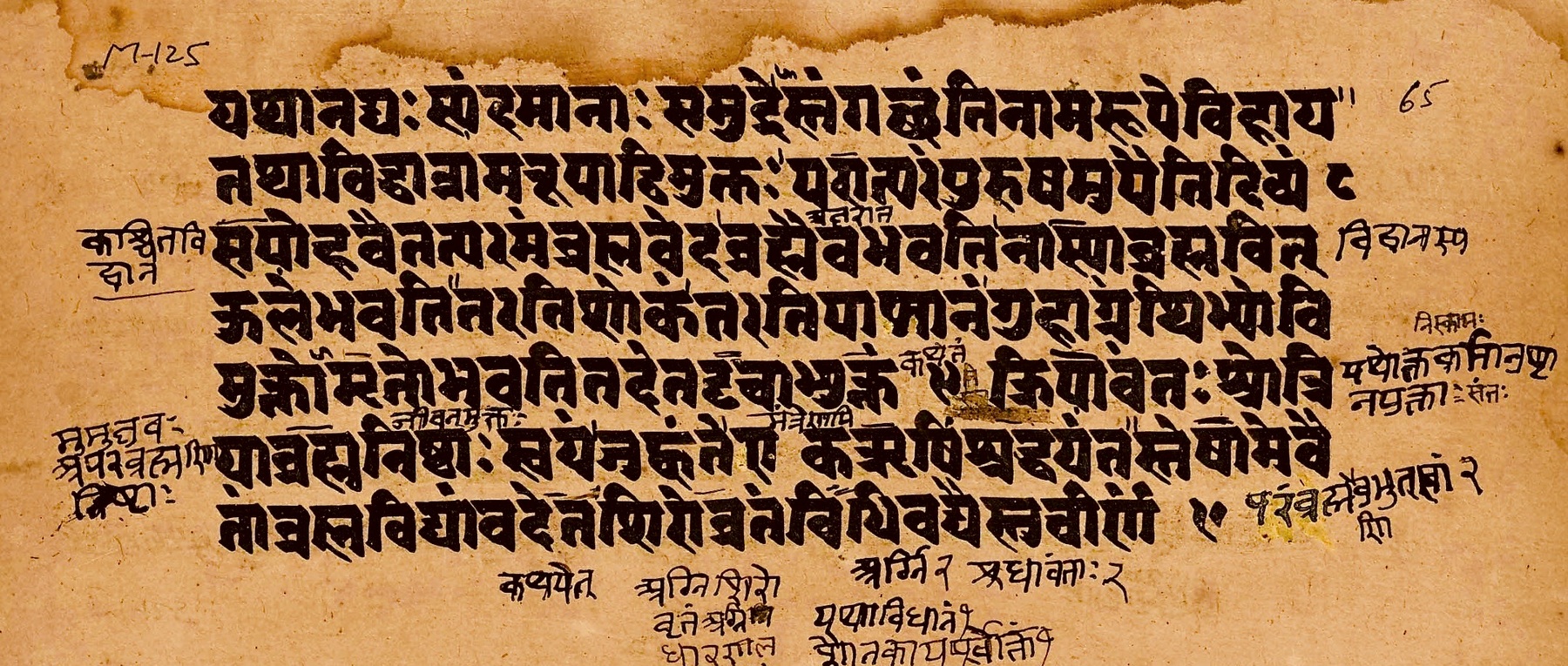
The central philosophical insight that Schrödinger embraced from Advaita Vedānta was the "doctrine of identity"—the recognition that the individual self (Atman) and the ultimate reality (Brahman) are one and the same. In one of his notebooks, he construed the Upaniṣadic slogan "Brahman = Atman" as the "closest thing to the truth."
Schrödinger articulated this in his book My View of the World, which culminated in a chapter called "The Vedantic Vision." He wrote:
"The plurality that we perceive is only an appearance; it is not real." |
"Inconceivable as it seems to ordinary reason, you—and all other conscious beings as such—are all in all. Hence this life of yours which you are living is not merely a piece of the entire existence but is in a certain sense the whole." |
He connected this directly to the Upanishadic formula: "This, as we know, is what the Brahmins express in that sacred, mystic formula which is yet really so simple and so clear: Tat tvam asi, this is you." He described this insight of ultimate unity as the "profound rightness of the basic conviction of Vedanta."
Schrödinger adopted this doctrine of identity into his metaphysical ruminations about the nature of reality, and showed how it resonates with some of his reflections in the philosophy of science.
How Schrödinger Used the Upanishads: Inspiration, Not Instruction
|
It is crucial to understand how Schrödinger actually employed the Upanishads in his scientific work. He did not use them as textbooks for physics, nor did he claim that the Vedas contained the equations of quantum mechanics. As one commentator notes, Schrödinger read the Upanishads not as textbooks, but as companions.
Schrödinger sought Indian philosophy not to replace the methods of science but to be inspired. He was aware that mixing two systems of thought separated by time and culture required careful handling. The Upanishads did not provide him with mathematical formulas; they provided him with a philosophical foundation—a way to make sense of the strange reality that quantum physics was revealing.
Schrödinger's engagement with the Upanishads offered him something else as well: religious consolation. The doctrine of identity—the recognition that the individual self is one with the ultimate reality—provided a spiritual solace that the cold equations of physics could not.
The Vedantic Vision: One Mind, One Consciousness
|
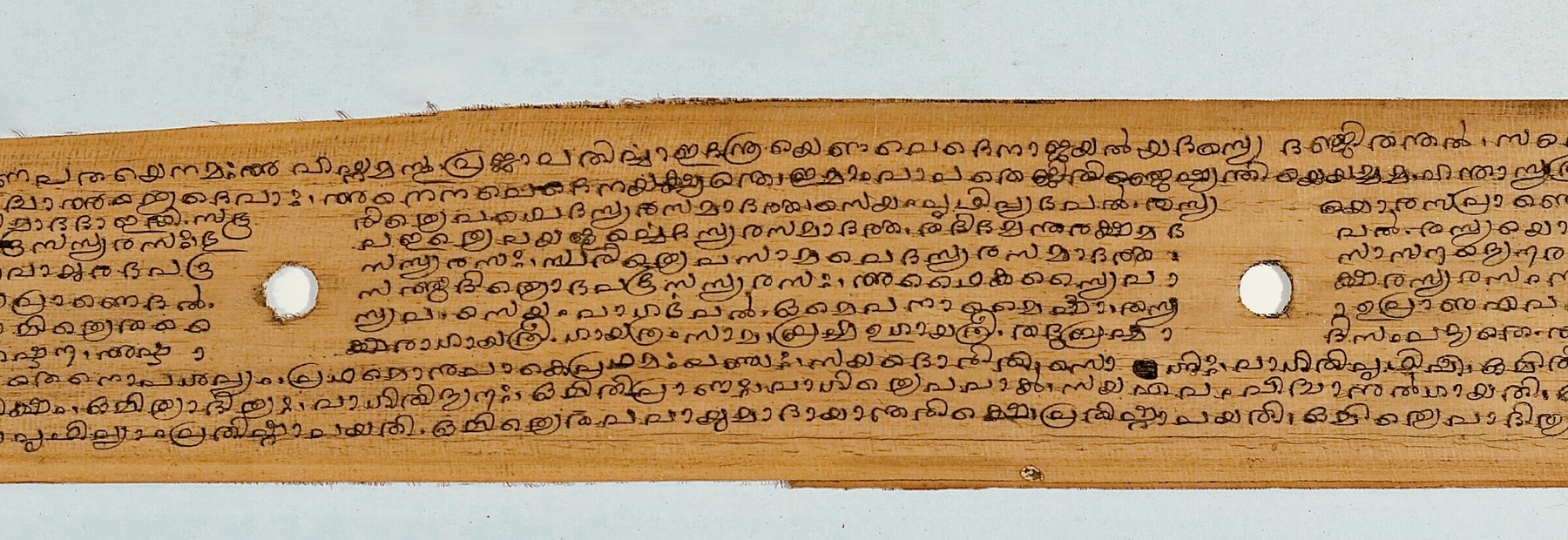
Schrödinger's worldview, derived from the Indian writings of the Vedanta, was that there is only a single consciousness of which we are all different aspects. He admitted that this view is mystical and metaphysical and incapable of logical deduction. Yet he took it seriously as a philosophical position.
In his book What Is Life? (1944), Schrödinger writes about the unity of all life, echoing the Vedantic understanding of the interconnectedness of all existence. He argued that the concept of individual consciousness is an illusion—a mistaken inference drawn from the plurality of bodies.
The Upanishads' core teaching—that all consciousness is one—directly echoed Schrödinger's own conclusions about the nature of physical reality. He found in them a philosophical foundation that prevented him from being "cast adrift by the implications of quantum mechanics."
The Influence of Śaṅkara's Advaita Vedānta
|
|
|
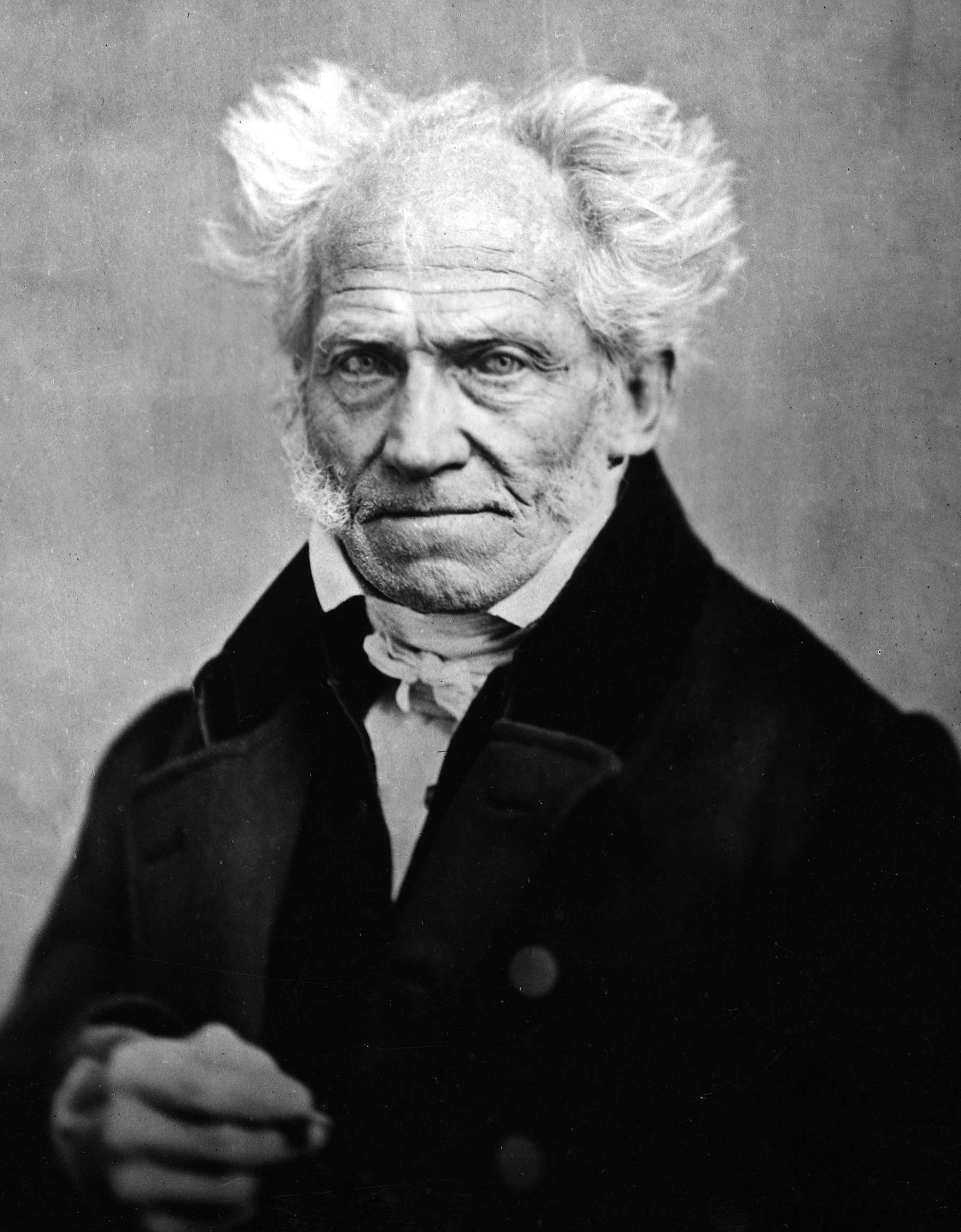
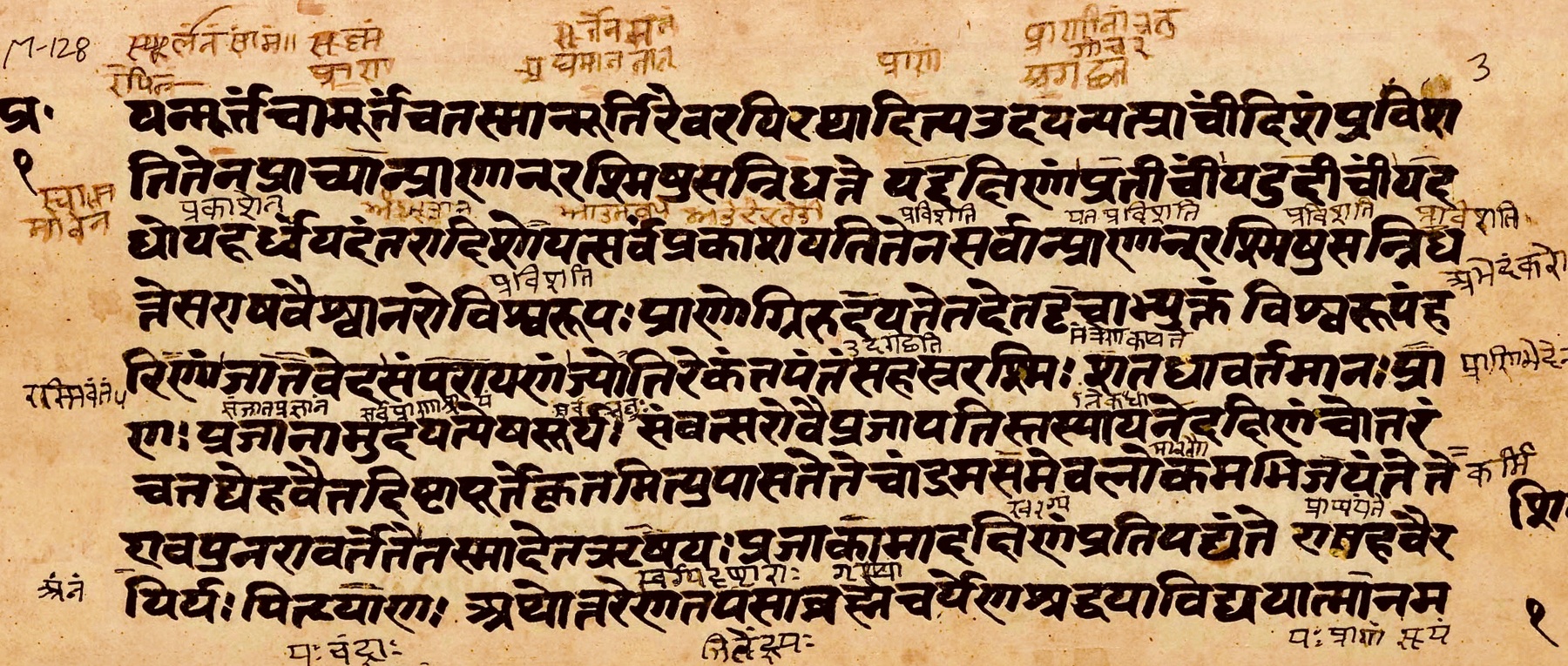
Recent scholarship has clarified the specific nature of Schrödinger's engagement with Indian thought. An analysis of his personal notebooks reveals the dominance of Śaṅkara's Advaita Vedānta reading of the Upanishads. This is the non-dualistic school that teaches that the ultimate reality is one undivided consciousness, and that the perception of multiplicity is an illusion (māyā).
Schrödinger was introduced to this philosophy through Arthur Schopenhauer, who had himself been deeply influenced by Indian thought. Schopenhauer's works served as the gateway through which Schrödinger entered the world of the Upanishads and Advaita Vedānta. The "doctrine of identity" that Schrödinger embraced was essentially the Advaitin teaching that Atman (the individual self) and Brahman (the ultimate reality) are identical.
Echoes in the Philosophy of Science
|
Schrödinger's adoption of the doctrine of identity had implications for his reflections on the philosophy of science. The recognition that subject and object are ultimately one resonated with his thoughts on the subject-object relation in quantum mechanics. He wrote: "The world is given to me only once, not one existing and one perceived. Subject and object are only one." This statement echoes the Upanishadic teaching that the observer and the observed are not separate entities but manifestations of the same underlying reality. Schrödinger found in the Upanishads the insight that "the truth of the universe is the truth of our own being." This provided him with a philosophical framework for understanding the strange implications of quantum physics—a framework that transcended the limitations of classical physics and offered a way to reconcile the scientist's search for objective truth with the philosopher's quest for meaning. |
Conclusion: A Legacy of Integration
|
|
|
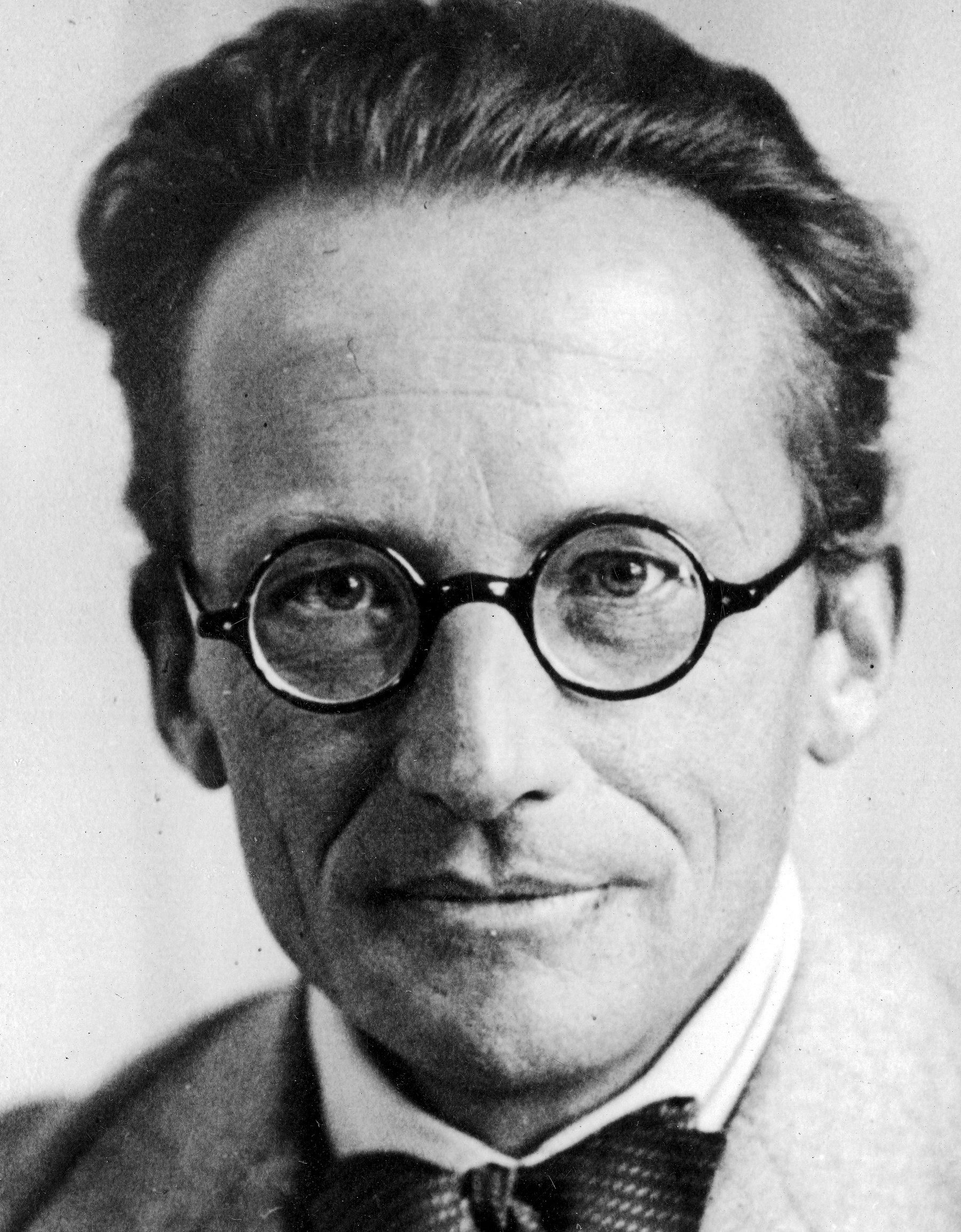
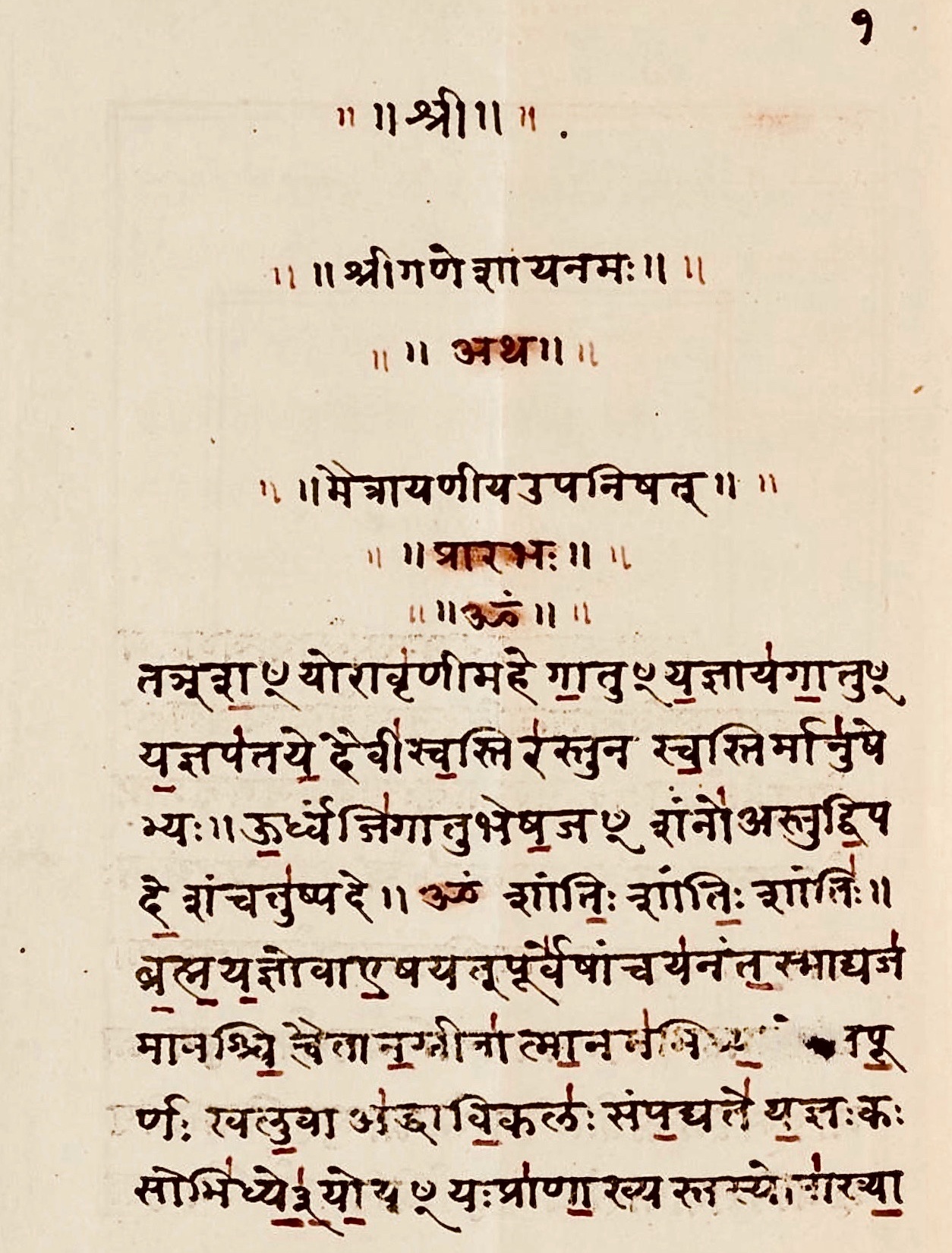
Erwin Schrödinger's engagement with the Upanishads and Vedas represents one of the most remarkable examples of cross-cultural intellectual exchange in modern science. He did not use these ancient texts as scientific manuals, nor did he claim that they contained the equations of quantum mechanics. Rather, he found in them a philosophical and metaphysical foundation that resonated with his own emerging understanding of reality.
Schrödinger's "use" of the Upanishads was thus deeply personal and philosophical. They provided him with:
· A solution to the "real difficulty" of philosophy—the problem of multiplicity
· Religious consolation in a time of scientific upheaval
· A philosophical framework for understanding the nature of consciousness
· An echo of the conclusions that quantum physics was forcing upon him
He called for a "blood transfusion" of Indian thought into the West. His own work stands as a testament to what that transfusion might look like—not a replacement of science with spirituality, but an integration of insights that enriches both.
Schrödinger's legacy is not that the Upanishads predicted quantum mechanics. It is that a brilliant scientist, confronted with the strange implications of his own discoveries, found in an ancient tradition of Indian philosophy a way to make sense of them—and, in doing so, demonstrated that the deepest questions of existence transcend the boundaries of time, culture, and discipline.
As he himself wrote: "The only solution to this conflict insofar as any is available to us at all lies in the ancient wisdom of the Upanishad." |
Epilogue: The Unfinished Conversation
|
The story of Schrödinger and the Upanishads is not merely a historical curiosity. It raises profound questions about the relationship between science and spirituality, between the physicist's equations and the philosopher's quest for meaning.
If one of the founders of quantum physics could find in the ancient Upanishads a framework for understanding the nature of reality, what does that say about the universality of human insight? What does it suggest about the limitations of purely materialist explanations of consciousness? |
Schrödinger's example challenges us to consider that the deepest truths may be accessible through multiple paths—through the equations of physics and through the meditations of ancient sages. His "Vedantic Vision" was not a rejection of science but an expansion of it—a recognition that the scientific method, for all its power, cannot address the fundamental questions of existence: Who are we? What is consciousness? What is the nature of reality?
These are the questions that drove Schrödinger to the Upanishads. They remain the questions that drive us today.